Essential Dog Accessories Guide: Collars, Harnesses, Beds & Wear
What US owners actually need — dog collar fit, harness vs collar, leashes, beds, and when wear for dogs helps.
What US owners actually need — dog collar fit, harness vs collar, leashes, beds, and when wear for dogs helps.
Dog accessories are more than cute add-ons. The right dog collar, harness, leash, bed, and weather gear protect your dog on walks, in the car, and at home — while the wrong fit can cause injury or escape.
US owners searching “dog accessories,” “dog collar,” “dog harnesses,” “dog leash and collar,” “wear for dogs,” or “dogs in sweaters” usually want practical picks: what is safe, what fits, and what is worth buying. This guide covers the essentials with a veterinary safety lens.
Educational content only. Product choices should match your dog’s size, behavior, and your veterinarian’s advice for medical conditions.
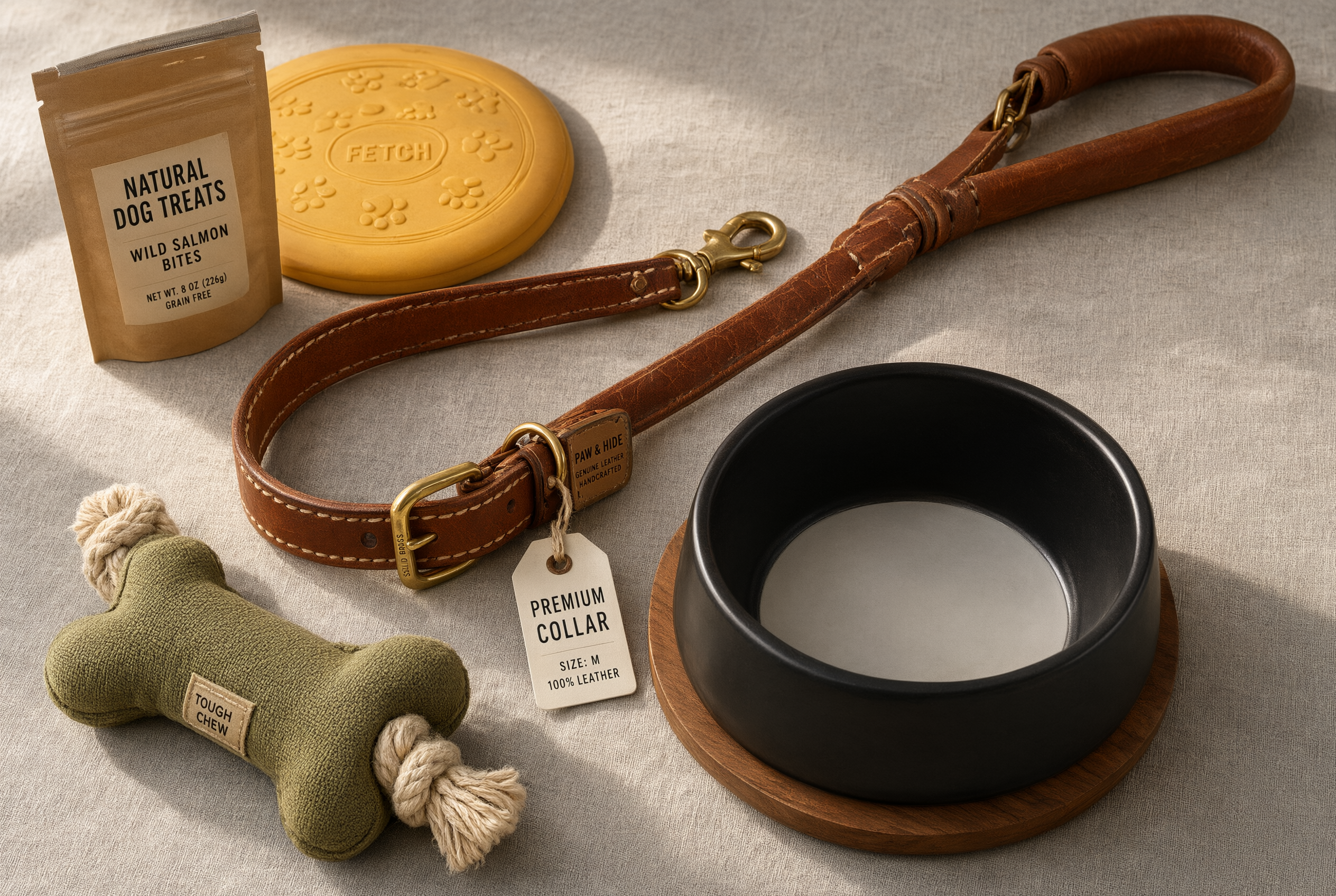
Start with safety and fit. Style is optional; a secure walk and restful sleep are not.
According to Dr. Sarah Miller, DVM, most US households need a short core list before any “cute dog stuff”:
Premium or luxury dog accessories are fine if fit and function come first.
A dog collar is still the standard place for ID tags. Search interest for “cute dog collars,” “dog collar and leash,” and “collar for dogs” is high — but a pretty collar that slips over the head without adjustment is a risk for escape artists.
Dr. Miller reminds owners: collars can catch on crate bars, fences, and playmates. Supervised wear and proper sizing matter more than brand hype.
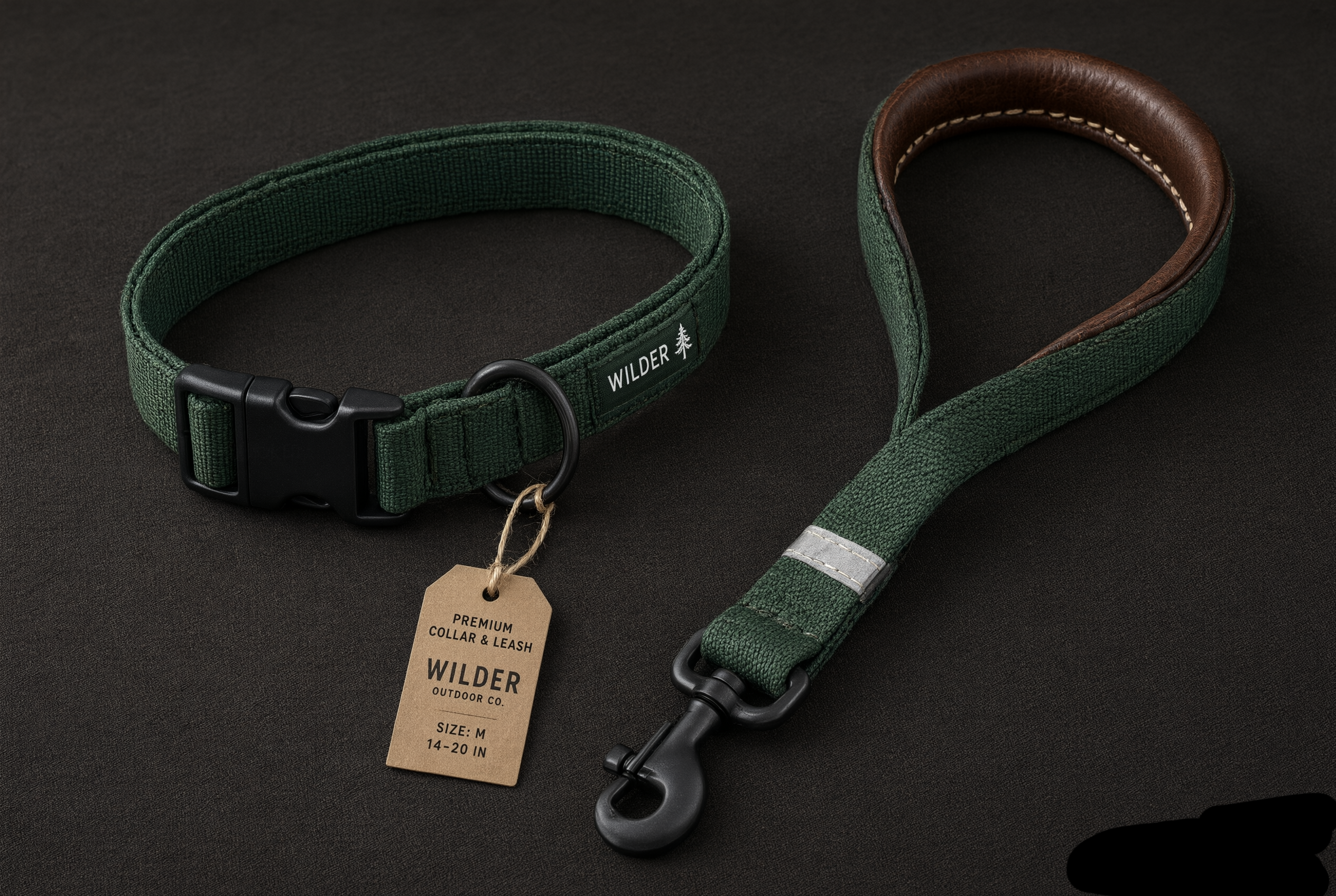
ID on the collar. Walking force often belongs on a harness — especially for pullers and dogs with neck concerns.
Dog harnesses and “harness for dogs” searches reflect a shift toward chest-distributed pressure. A good harness can reduce tracheal stress in small breeds and help manage strong pullers when used with training — not as a magic fix alone.
| Gear | Best for | Watch-outs |
|---|---|---|
| Flat collar | ID tags, calm walkers | Pulling stress on neck; escape if too loose |
| Front-clip harness | Training, reducing pull | Must fit correctly; some dogs learn to duck out |
| Back-clip harness | Casual walks, many service setups | Can encourage pulling if the dog leans in |
| Collar + harness | ID plus walking control | Do not attach the leash only to a decorative collar on a strong dog |
Adjustable dog harnesses should sit clear of the armpits without rubbing and should not ride up into the throat.
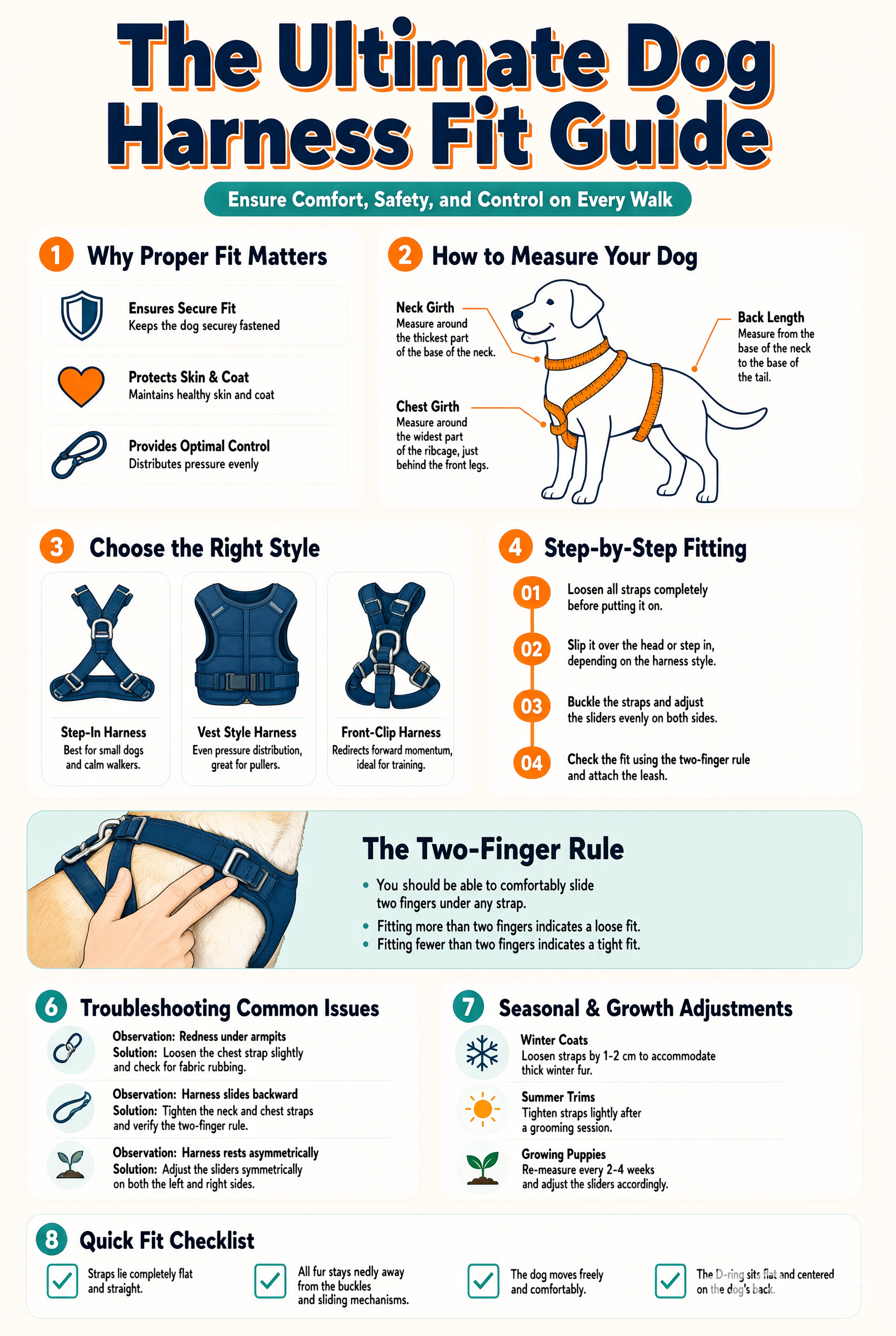
A harness is only as safe as the fit. Recheck after weight loss, growth, or heavy seasonal coat changes.
Popular searches include “dog leash and collar,” “dog collars and leashes,” and “dog harness and leash set.” Practical points:
“Bed for the dog” and orthopedic bed queries are common because joint comfort matters — especially for large breeds and seniors. Choose a bed your dog actually uses:
Searches for “wear for dogs,” “dogs in sweaters,” “dog sweaters,” “small dog clothes,” and “dog coats” spike in cold months. Clothing is useful when:
Clothing is optional fashion for double-coated northern breeds that already insulate well — and can cause overheating if misused. Never leave a sweater on unsupervised if it can catch or restrict movement. Measure girth and back length; “small dog apparel” sizing varies wildly by brand.
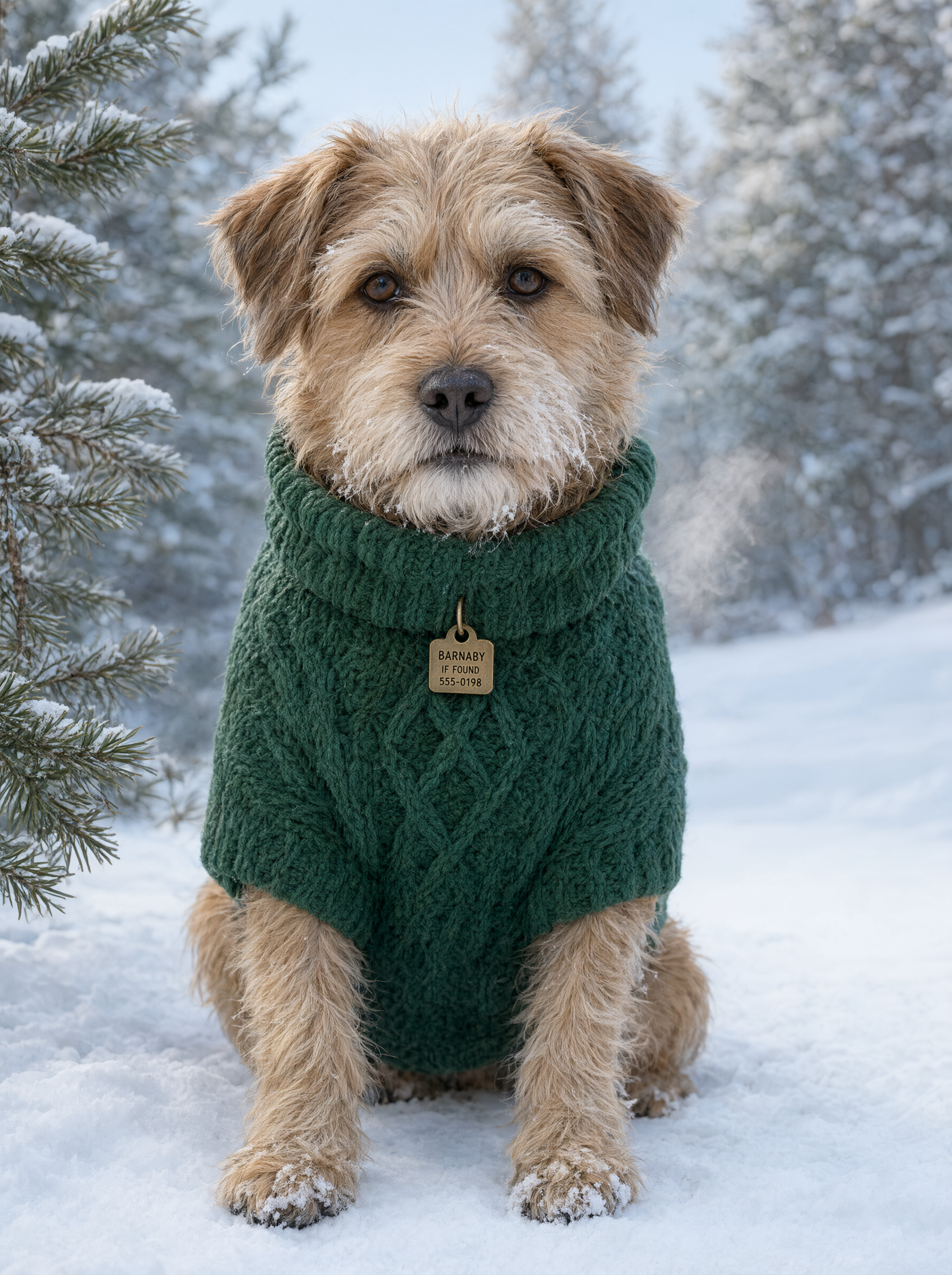
Coat the dog that gets cold — not every breed needs a winter wardrobe.
Healthcare Consultations can help you prepare questions about harnesses for neck issues, beds for mobility, and weather gear for seniors.
Toy and small breeds need lighter hardware, careful harness fit, and often real cold-weather layers. Puppy accessories should be adjustable: they outgrow collars and harnesses fast. Avoid heavy metal tags that strain tiny necks — use a secure tag ring or lightweight options.
Stop and refit or replace gear if you see:
What dog accessories do I actually need?
ID collar, walking leash plus a properly fitted harness or collar, waste bags, and a suitable bed. Add weather gear only if your dog needs it.
Is a harness better than a collar?
For many walkers and pullers, a well-fitted harness is kinder to the neck. Keep a collar for ID tags either way.
How should a dog collar fit?
Snug enough not to slip off, loose enough for two fingers underneath for most dogs. Recheck often.
Do dogs need sweaters?
Some do — especially small, thin-coated, or senior dogs in cold weather. Many thick-coated breeds do not.
What makes a good dog bed?
Correct size, easy-clean cover, and enough support for your dog’s age and joints.
Are expensive luxury dog accessories worth it?
Only if materials, stitching, and fit beat cheaper options. Price alone is not a safety rating.
Smart dog accessories start with a secure ID collar, a fitted walking system, a bed your dog will use, and climate gear when it truly helps. Measure twice, check fit often, and treat “cute” as a bonus — not the buying rule. Bookmark this page at nextgenpetcare.com for more practical pet care guidance.
Disclaimer: Educational only. Not a product endorsement or a substitute for veterinary advice.