Dog Poisoning Guide: Signs, Common Toxins & Pet Poison Control Hotlines
What to do if you suspect toxin exposure — symptoms, safe first steps, and when to call ASPCA Animal Poison Control or Pet Poison Helpline.
What to do if you suspect toxin exposure — symptoms, safe first steps, and when to call ASPCA Animal Poison Control or Pet Poison Helpline.
Dog poisoning is a true emergency. US owners searching “poison effects on dogs,” “dog poisoning,” “dogs and poison,” and “pet poison control for dogs” need clear next steps—not panic, and not unsafe home experiments.
This guide explains common household toxins, early signs that a dog may have been poisoned, what to do before you reach a clinic, and how to contact professional pet poison hotlines. It is written for protection and rapid triage only.
Educational content only. If you suspect your dog ingested something toxic, contact a veterinarian or a pet poison hotline immediately. Do not wait for “mild” symptoms to worsen.
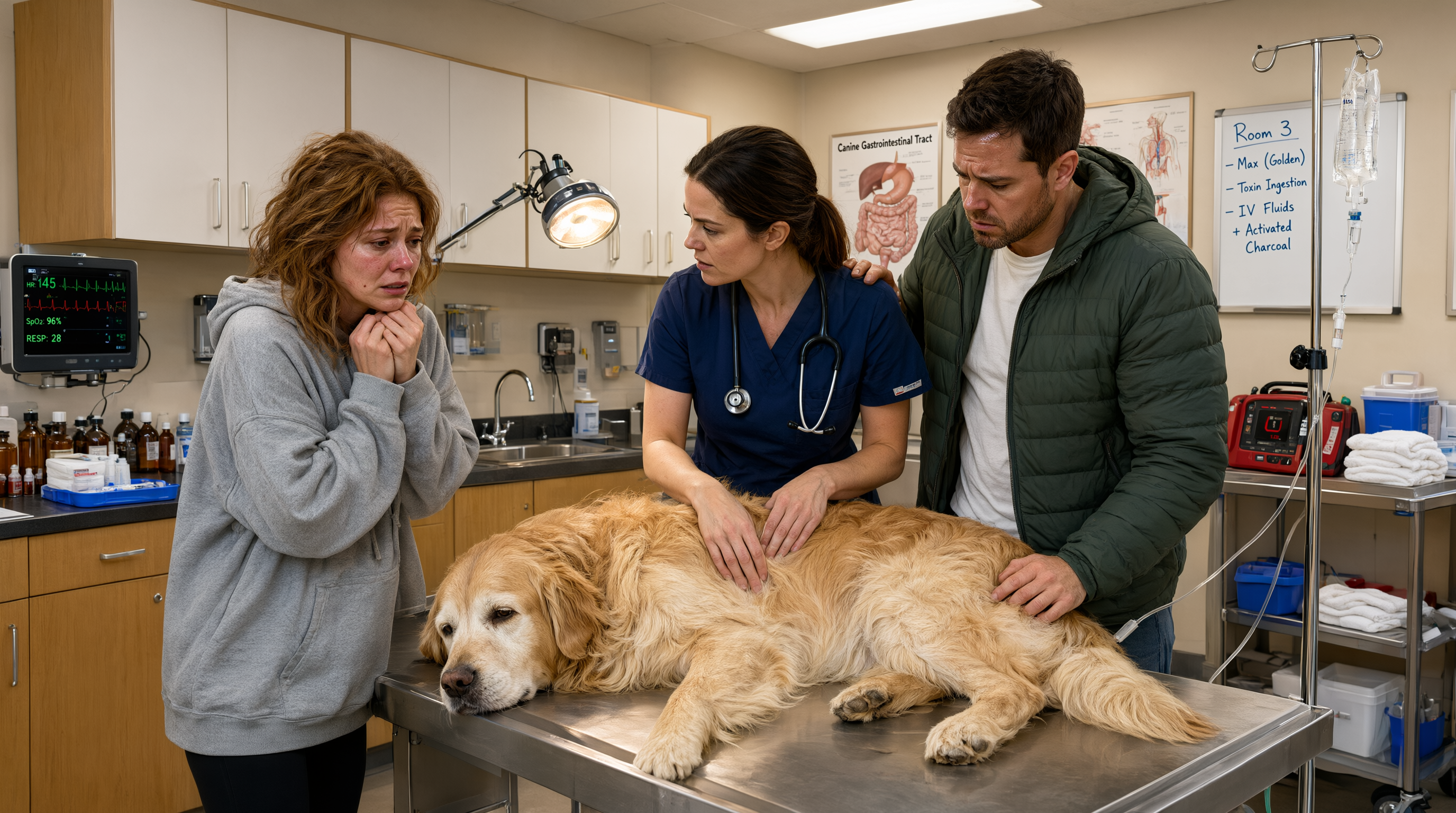
When you suspect toxin exposure, speed and accurate information matter more than home remedies.
If your dog is collapsing, seizing, having trouble breathing, or is unresponsive — go to the nearest emergency veterinary clinic now.
ASPCA Animal Poison Control Center: (888) 426-4435 (fee may apply)
Pet Poison Helpline: (855) 764-7661 (fee may apply)
Have the product packaging, approximate amount, and time of exposure ready if you can safely gather them.
According to Dr. Yawar Abbas, DVM, almost every known toxin exposure should be treated as potentially urgent until a veterinary professional says otherwise. Dose, body weight, and the specific substance change the risk dramatically. Chocolate that is trivial for a large dog can be dangerous for a small dog. The same logic applies to xylitol, grapes, medications, and rodenticides.
Searches such as “i think my dog was poisoned” and “how to tell if my dog is poisoned” reflect real fear. The safe default is: call a vet or poison hotline rather than watching and waiting.
US households contain many items that appear in “what can poison a dog” and “poison to dogs” queries:
This list is not complete. When in doubt, treat the product as unknown and call for guidance.
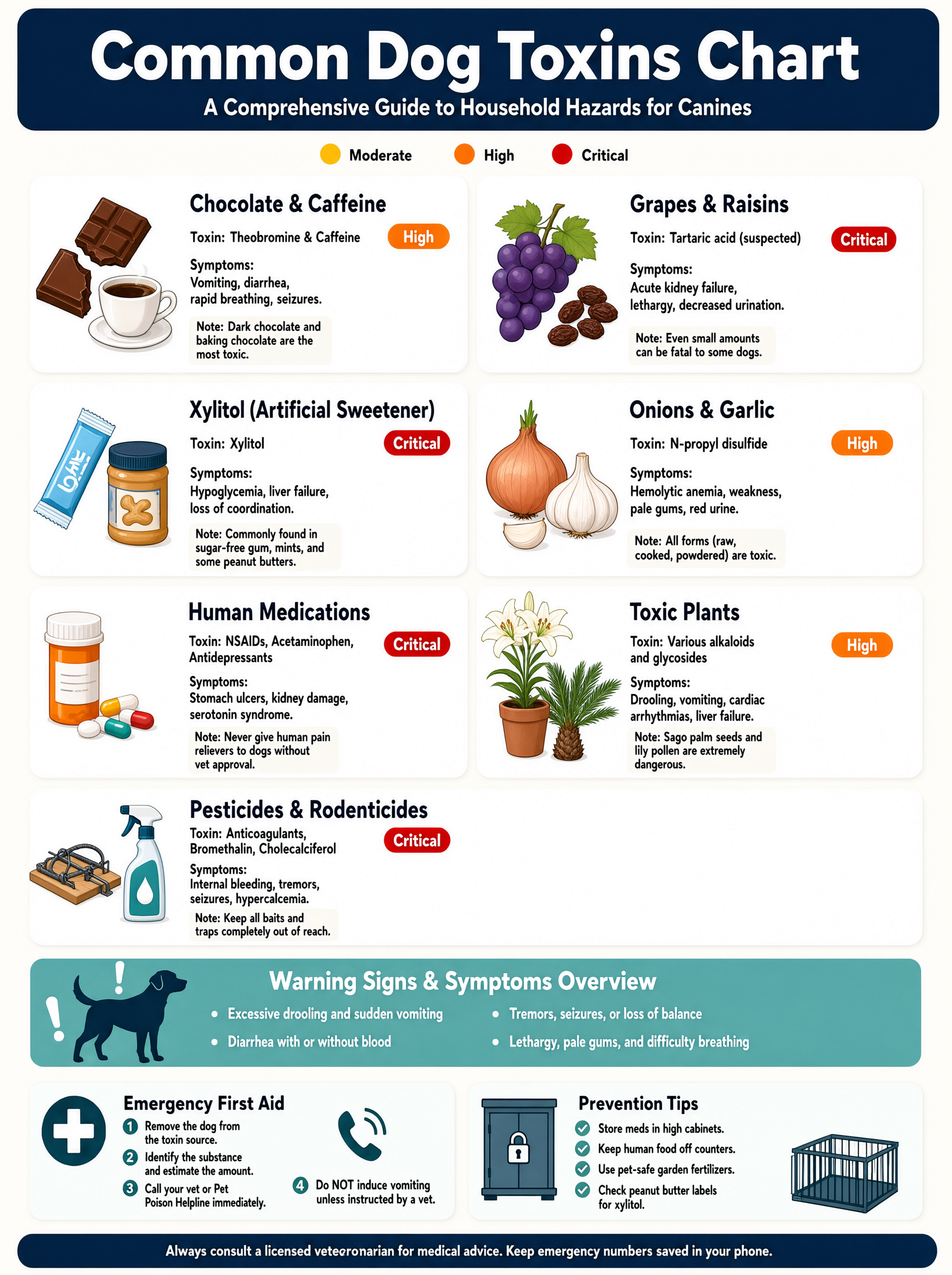
Many everyday items can cause poison effects on dogs — keep the packaging when you call a hotline.
Symptoms vary by toxin. Common red flags owners report:
“Poison effects on dogs” is a high-volume search because signs can look like other illnesses. Only a veterinarian can separate toxin exposure from infection, metabolic disease, or trauma.
Healthcare Consultations can help you organize questions for your local emergency clinic. For active poisoning, call a poison hotline or go to ER first.
| Service | Phone | Notes |
|---|---|---|
| ASPCA Animal Poison Control Center | (888) 426-4435 | Widely used in the US; consultation fee often applies |
| Pet Poison Helpline | (855) 764-7661 | 24/7 toxicology specialists; fee often applies |
| Your local emergency vet | Search “emergency vet near me” | Best for seizures, collapse, or breathing trouble |
People also search “does pet poison control cost money,” “free vet poison control,” and “animal poison control aspca.” Many hotlines charge a consultation fee because specialist toxicologists staff the lines. That fee is often far less than delayed emergency care.
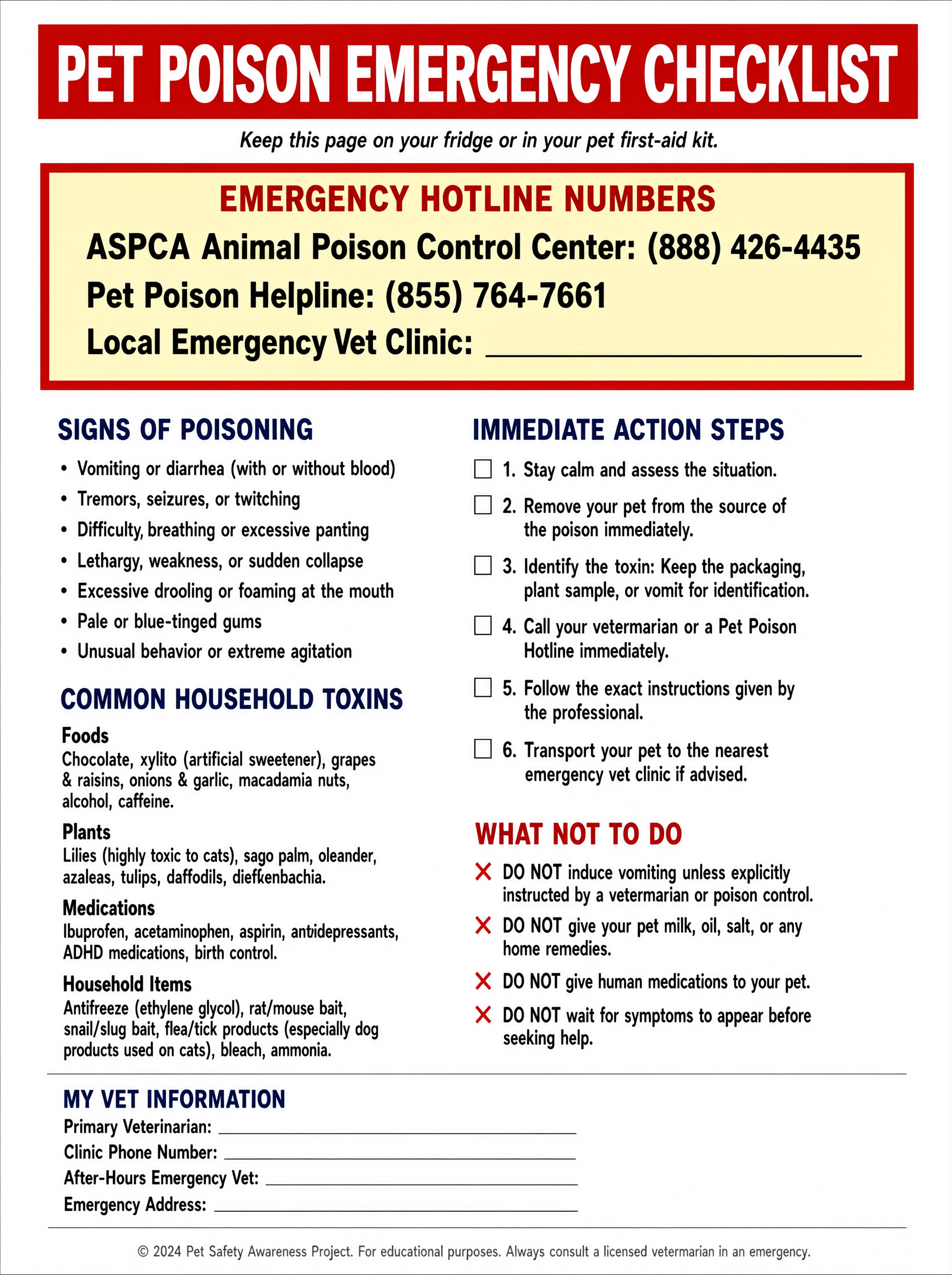
A short checklist of facts speeds up help when you call a poison hotline.
Searches for “poisoned dog home remedy” and “home remedy for dog poisoning” are common under stress. Safe action is professional advice, not internet folklore.
What are the first signs of dog poisoning?
Vomiting, diarrhea, drooling, weakness, tremors, or sudden behavior change. Signs depend on the toxin.
Should I call ASPCA Animal Poison Control?
Yes, if you suspect exposure and need toxicology guidance. Have product details ready. A fee may apply.
Is pet poison control free?
Many specialist hotlines charge a consultation fee. Your regular or emergency veterinarian may also advise by phone depending on policy.
Can I treat dog poisoning at home?
Do not attempt treatment based on general articles. Call a professional first.
What information should I give the hotline?
Dog’s weight and age, substance name/ingredients, amount, time since exposure, and current symptoms.
Dog poisoning is time-sensitive. Know the common toxins, recognize red-flag symptoms, and use ASPCA Animal Poison Control or Pet Poison Helpline when exposure is possible. Prevention and fast professional contact protect more dogs than any home remedy list. Bookmark nextgenpetcare.com for more emergency-oriented pet health guides.
Disclaimer: Educational only. Not a diagnosis, treatment plan, or substitute for emergency veterinary care. If poisoning is suspected, seek immediate professional help.