Pet Sitter vs Boarding: How to Choose the Best Option for Your Pet
A side-by-side comparison of pet sitting and boarding, matched to your pet’s temperament, age and health, with the questions to ask before you book.
Quick answer: A pet sitter is usually better for cats, seniors, anxious pets and multi-pet homes, because they stay in a familiar place with one-to-one care. Boarding suits social, healthy dogs and pets needing round-the-clock supervision or on-site vet care. Check vaccines, insurance and reviews, and do a trial stay before you book.
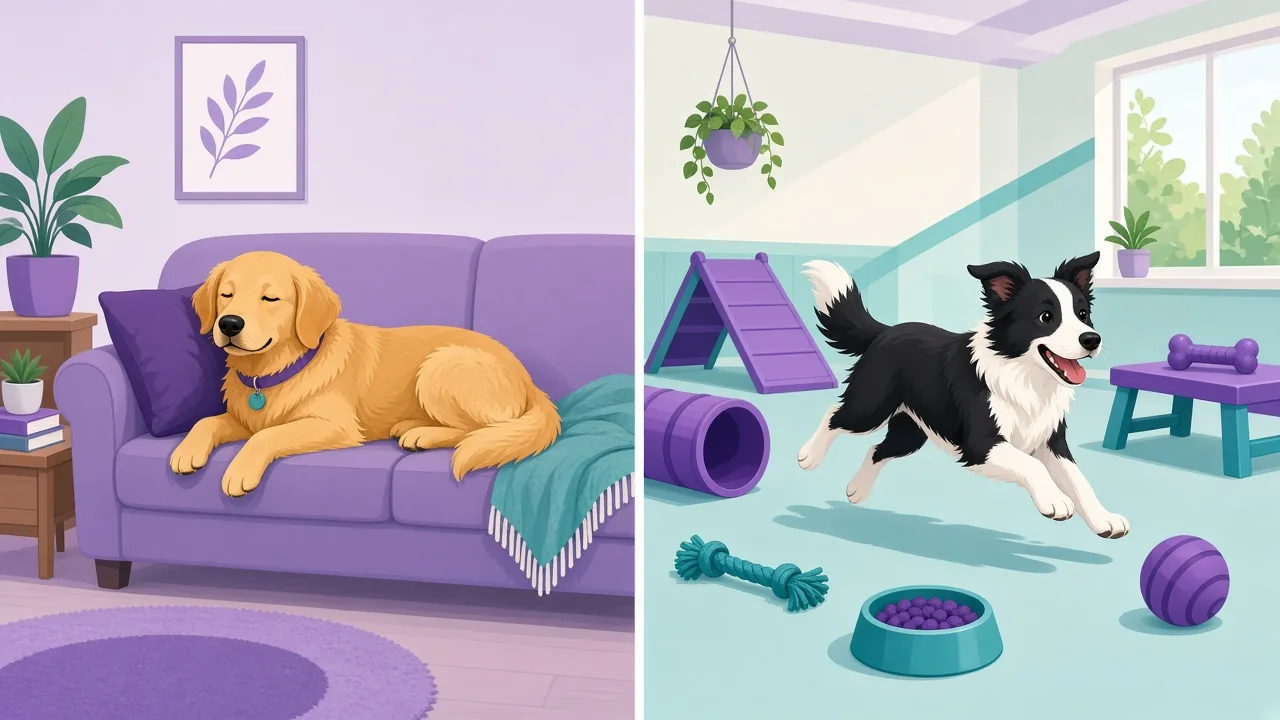
Choosing between pet sitter vs boarding comes down to your pet more than your budget. A pet sitter keeps your dog or cat at home in a familiar routine, with one-to-one attention. A boarding kennel or cattery offers round-the-clock staff, a secure facility and, at many places, on-site vet support. Neither is better for every pet. The right choice depends on temperament, health, age, how long you’ll be away and what is available near you.
This guide compares both options side by side, helps you match the choice to your pet, and gives you the questions to ask, a vaccination and packing checklist, and tips to make either option less stressful.
A pet sitter cares for your pet in your home. This might be drop-in visits (usually 2–3 visits a day for feeding, toilet breaks, play and medication) or house sitting, where the sitter stays overnight. Professional sitters are often members of trade bodies such as Pet Sitters International, which offer accreditation and insurance information. Some people use a trusted friend or neighbour instead.

Boarding means your pet stays somewhere else. That could be a traditional kennel or cattery, a veterinary clinic with boarding, a “pet hotel” with suites and daycare, or home boarding, where your dog stays in a carer’s house with only a few other dogs. Facilities range from basic to luxury, and standards and licensing rules vary by country and region.
Pet sitter vs boarding at a glance
| Factor | Pet sitter | Boarding |
|---|---|---|
| Environment | Familiar home | New place, noise |
| Attention | One-to-one | Shared staff |
| Supervision | During visits | Often 24/7 |
| Other animals | Minimal contact | Group contact, higher infection risk |
| Medical needs | Simple meds | Vet-attached boarding for complex care |
| Best for | Cats, seniors, anxious pets | Social, healthy dogs |
Pet sitter vs boarding facility at a glance.
| Factor | Pet sitter (at home) | Boarding facility |
|---|---|---|
| Environment | Familiar home, smells and routine | New place, noises and smells |
| Attention | One-to-one during visits or stays | Shared staff, set play or exercise times |
| Supervision | Only during visits, unless overnight house sitting | Staff on site, often 24/7 |
| Contact with other animals | Minimal | High in group play. Some dogs love it, and infection risk is higher |
| Medical needs | Good for simple meds. Depends on the sitter’s skill | Vet-attached boarding can handle complex needs |
| Escape and security | Depends on your home and the sitter’s care | Secure runs and double doors at good facilities |
| Multi-pet homes | Often cheaper per pet. Every species stays put | Each pet charged separately. Cats and exotics need suitable facilities |
| Home benefits | Mail, plants and lights handled. Home looks occupied | None |
| Main risks | No-shows, too few visits, unvetted sitters | Stress, kennel cough, injuries during group play |
Which option suits your pet?
| Your pet | Usually best |
|---|---|
| Cat | Pet sitter |
| Young, social, healthy dog | Boarding or home boarding |
| Puppy under 6 months | House sitter or home boarding |
| Senior or arthritic pet | Pet sitter |
| Anxious or reactive dog | House sitter |
| Complex medical needs | Vet-attached boarding |
| Several pets / species | Pet sitter |
Which option usually suits which pet.
| Your pet | Usually best | Why |
|---|---|---|
| Cat (any age) | Pet sitter | Territorial, and travel and cattery stress are common |
| Young, social, healthy dog | Boarding or home boarding | Enjoys company and play. Supervision all day |
| Puppy under 6 months | House sitter or home boarding | Needs frequent toilet breaks and training consistency. Vaccines may be incomplete |
| Senior or arthritic pet | Pet sitter (or house sitter) | Familiar surfaces, quiet, less physical strain |
| Anxious or reactive dog | House sitter | Kennel noise and other dogs can be overwhelming |
| Separation anxiety | House sitter or home boarding | Needs company, not long stretches alone |
| Complex medical needs | Vet-attached boarding, or a sitter with vet-nurse experience | Trained staff, timed medications, monitoring |
| Multiple pets or species | Pet sitter | Keeps everyone together at home |
Dogs don’t understand holidays, but they do notice changes in routine and the absence of their people. Many dogs settle within a day or two at a good facility, while some stay unsettled for the whole stay. Signs of stress include not eating, pacing, excessive barking, diarrhea and weight loss. Short trial stays, familiar items from home and a calm, brief goodbye help. Dogs prone to separation anxiety and pets with general anxiety and stress usually cope better at home.
Most boarding facilities ask for proof of vaccination, and good pet sitters will want your vet’s details too. Ask the facility for its exact list, as requirements vary. Typically:
Coughing after boarding? Most kennel cough cases are mild, but see a vet if your dog is lethargic, stops eating or has laboured breathing. Our kennel cough guide explains what to watch for, and the AKC also has a helpful overview.
Always arrange a meet-and-greet first, and watch how the sitter interacts with your pet.
The AKC’s dog boarding tips are a useful extra checklist.
Boarding / sitter handover checklist
Health
Comfort & info
Handover checklist for sitters and boarding.
It’s common for dogs to be extra thirsty, tired or over-excited for a day or two after boarding, and for cats to be aloof or clingy after time with a sitter. Offer water normally, rather than letting your dog gulp a huge amount at once, and return to the usual routine quickly. Mild, soft stool from excitement or a diet change often settles within 24–48 hours.
Ask the sitter or facility for a short report: what your pet ate, toilet habits, any incidents and any medication given. Keep notes. They will help you decide whether to rebook next time or try the other option.
Prices vary widely by city and country, so we haven’t quoted figures. Get at least three local quotes. The main cost drivers are: the number of daily visits or an overnight stay, holidays and peak season, number of pets, medication or special care, private suites versus standard runs, and extras such as daycare, grooming or updates. For several pets, a sitter is often better value than boarding each one separately.
Our Travel & Boarding Advisory pathway helps you build checklists for sitters or facilities.
It depends on your pet. Pet sitting is usually better for cats, seniors, anxious pets and multi-pet homes because they stay in familiar surroundings. Boarding often suits social, healthy dogs and pets that need constant supervision or on-site veterinary care.
Dogs notice changes in routine and the absence of their owners, and some show stress such as not eating or pacing. Many settle within a day or two at a good facility. Trial stays, familiar items and calm goodbyes help.
For most cats, senior dogs and anxious dogs, staying home with a sitter is less stressful. Young, social dogs that enjoy other dogs may do well in boarding. Dogs with separation anxiety usually need an overnight house sitter or home boarding.
Most facilities require core vaccines (distemper, parvovirus, adenovirus), rabies where required by law, and often Bordetella and canine influenza. Check the facility’s list early because some vaccines must be given before the stay to be effective.
It varies by location and services. Drop-in visits are often cheaper than boarding, especially for several pets, while overnight house sitting can cost more. Get several local quotes.
Most cats do better with a pet sitter because they are territorial and often find travel and catteries stressful. Cat-only boarding with quiet, separate housing is an alternative for cats with medical needs.