Kennel Cough in Dogs: Symptoms, How Long It Lasts, Treatment and When to Worry
How to recognise kennel cough, care for a coughing dog at home, keep other dogs safe and spot the signs of pneumonia early.
Quick answer: Kennel cough (canine infectious respiratory disease, CIRD) is a contagious airway infection spread where dogs mix. The usual sign is a dry, honking cough, sometimes followed by gagging or retching, starting a few days after contact with other dogs. Most dogs get better on their own in one to three weeks with rest. Puppies, older dogs, flat-faced breeds and dogs with fever, thick nasal discharge, laboured breathing or poor appetite need a vet, because kennel cough can turn into pneumonia.
Medically reviewed by
Vet. Dr. Yawar Abbas, DVM, MPhil
PVMC Reg. 15019 · DVM (UVAS Lahore) · M.Phil Epidemiology & Public Health (UAF) · NextGen PetCare
Last reviewed:
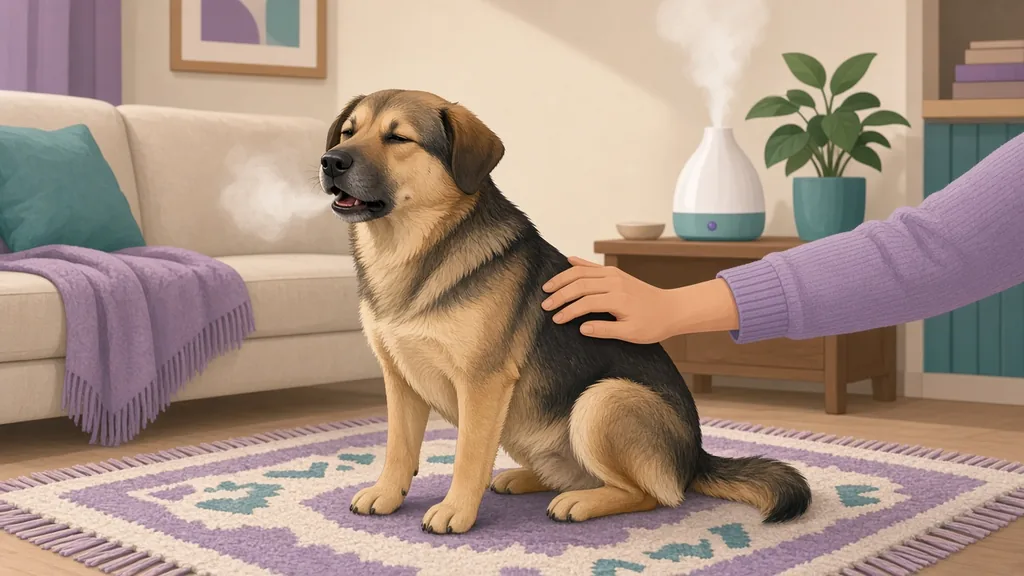
Your dog comes home from boarding, daycare or the park and a few days later starts honking like a goose. It sounds alarming, and it is often kennel cough. The good news is that most cases are mild. Still, some dogs develop pneumonia, and a few other conditions can sound very similar, so it pays to know what to watch for.
This guide covers what causes kennel cough, the first symptoms, how long it lasts and how contagious it is, how vets treat it, safe home care, the vaccine, and the warning signs that mean your dog should be seen.
“Kennel cough” is the everyday name for infectious tracheobronchitis, now usually called canine infectious respiratory disease complex (CIRDC). It is inflammation of the windpipe (trachea) and airways caused by one or more germs. The Merck Veterinary Manual lists Bordetella bronchiseptica, canine parainfluenza virus, canine adenovirus 2 and canine influenza among the causes, with co-infections being most common. Cornell’s Riney Canine Health Center adds herpesvirus and mycoplasma to the list.
Despite the name, dogs do not need to visit a kennel to catch it. Any place where dogs meet or share air and objects carries a risk.
According to Cornell, kennel cough spreads through droplets from coughing and sneezing, direct nose-to-nose contact, and shared objects such as bowls and toys. Common places of exposure include:
Stress, poor ventilation and temperature extremes make dogs more likely to get sick and can make the illness worse. If you are choosing care while you travel, our guide to boarding vs a pet sitter covers the infection-control questions to ask.
The incubation period is usually 2–10 days after exposure. The first sign is usually a sudden cough that is:
Most dogs with uncomplicated kennel cough stay bright, keep eating and play normally apart from the cough.
| Sign | Mild (uncomplicated) | Serious (possible pneumonia) |
|---|---|---|
| Cough | Dry, honking, may end in a gag | Moist, productive or getting worse |
| Energy | Normal or slightly tired | Lethargic, depressed |
| Appetite | Normal | Reduced or not eating |
| Nose | Clear or no discharge | Thick yellow or green discharge |
| Temperature | Normal | Fever |
| Breathing | Normal between coughs | Fast, laboured or open-mouthed at rest |
| What to do | Rest, isolate, call your vet for advice | See a vet the same day |
Most dogs recover within one to three weeks. Merck notes that the cough usually eases during the first five days, but the illness can last 10–20 days in total. Puppies, older dogs and dogs with other health problems may take longer. A mild cough can also linger for a while after the infection clears, because the airway is still irritated.
If the cough is not clearly improving after about a week, or is getting worse at any point, see your vet.
Yes, it is highly contagious between dogs. AKC advises keeping a coughing dog away from other dogs while it has symptoms and for at least two weeks after the cough stops. In practice that means:
Some of the germs involved can spread to cats. Bordetella can rarely infect people with weakened immune systems, so take extra care with hygiene if anyone at home is immunocompromised.
Diagnosis is usually based on a recent history of contact with other dogs and a physical exam. Your vet may gently press on the windpipe, which often sets off the cough. Chest X-rays are recommended if pneumonia is suspected or the cough is not typical. Swabs for PCR testing can identify the germs involved, especially during outbreaks.
Treatment depends on how unwell your dog is:
Never give human cough medicine or painkillers to dogs. Some contain ingredients such as xylitol, paracetamol (acetaminophen) or ibuprofen that are toxic to dogs.

Honey is sometimes suggested for mild coughs. Ask your vet first, and never use honey for puppies or diabetic dogs, or any product containing xylitol.
Vaccination does not guarantee that a dog won’t catch kennel cough. Like a flu vaccine, it lowers the risk and makes illness milder, reducing the chance of pneumonia. Several vaccines are involved:
| Vaccine | Covers | Notes |
|---|---|---|
| Core “DHPP” combination | Distemper, adenovirus (CAV-2), parvovirus, parainfluenza | Part of routine puppy and adult vaccination |
| Bordetella | Bordetella bronchiseptica (often combined with parainfluenza) | Lifestyle vaccine. Intranasal, oral or injectable. Often required by kennels and daycare |
| Canine influenza | H3N2 and H3N8 strains | Recommended in some areas and for high-contact dogs |
Cornell recommends the Bordetella vaccine for dogs that board, visit groomers or play at dog parks. Ask your vet how far ahead of boarding to give it. See our pet vaccination guide and the puppy vaccination schedule for the full picture.
A honking cough is not always infectious. Your vet will consider:
| Condition | Clues |
|---|---|
| Collapsing trachea | Small breeds, long-term honking cough, worse with excitement or pulling on the lead |
| Heart disease | Older dog, cough at night or at rest, fast breathing, tiring easily |
| Reverse sneezing | Loud snorting inhalations lasting seconds, normal straight after |
| Something stuck in the throat | Sudden gagging, pawing at the mouth, drooling |
| Canine influenza or distemper | Fever, marked lethargy, discharge from eyes and nose |
Read more in our guides to dog coughing, dog coughing at night and reverse sneezing in dogs.
Not sure how urgent it is? Our guide on when to go to the emergency vet can help.
Our Diagnostics Support pathway helps you organise symptom timelines and questions for your veterinary team. For breathing distress, contact an emergency clinic first.
Mild kennel cough often clears by itself within one to three weeks with rest. Call your vet anyway, especially for puppies, older dogs or flat-faced breeds, and go promptly if your dog has a fever, stops eating, has thick nasal discharge or breathes fast.
A sudden dry, honking cough, often ending in a gag or retch, usually 2 to 10 days after contact with other dogs. Some dogs also sneeze or have a runny nose but otherwise act normally.
It is very rare. Bordetella bronchiseptica can occasionally infect people with weakened immune systems, so wash your hands and take extra care if anyone at home is immunocompromised. Healthy people are very unlikely to be affected.
Most dogs need rest, a harness instead of a collar, humidity and time. Vets may prescribe cough suppressants, and antibiotics only if a bacterial infection or pneumonia is suspected. Never give human cough medicines.
Dogs can spread it while they are coughing and for a while afterwards. Keep your dog away from other dogs during illness and for at least two weeks after the cough stops.
Yes. Many different germs cause kennel cough and vaccines do not cover them all, but vaccinated dogs usually have milder illness and are less likely to develop pneumonia.
Bordetella bronchiseptica can infect cats, so keep a coughing dog apart from cats where possible and wash hands and bowls.