Dog Food Brands Guide: Grain-Free, Premium Picks & How to Choose
How US owners compare dog food brands, grain free options, puppy feeding, and premium diets without falling for hype.
How US owners compare dog food brands, grain free options, puppy feeding, and premium diets without falling for hype.
Dog food brands flood US shelves and online carts. Owners compare labels for protein sources, calories, life-stage claims, and whether a formula is grain free dog food or grain-inclusive. The goal is simple: feed a complete and balanced diet that matches your dog’s size, age, and health — not the loudest marketing claim.
This guide helps you sort popular dog food brands, premium dog food brands, dry kibble options, wet food, and breed-specific needs such as Shih Tzu puppy food. We also cover how products like Orijen dog food fit into the premium category without treating any single brand as a universal “best.”
Educational content only. Individual dogs may need prescription or veterinary therapeutic diets. Always confirm major diet changes with your veterinarian.
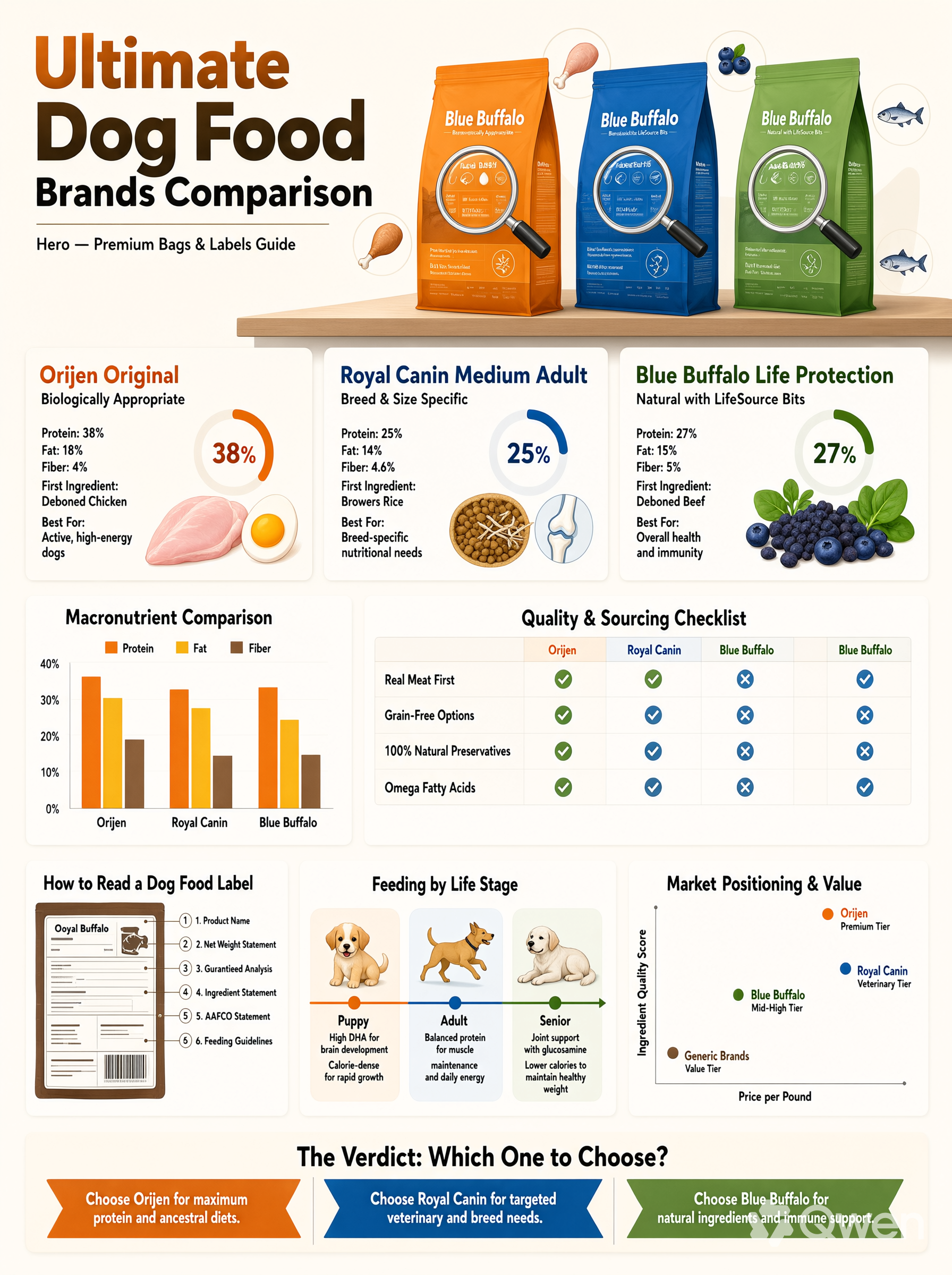
Brand name alone does not equal nutrition quality. Look for complete-and-balanced statements and a fit for your dog’s life stage.
According to Dr. Sarah Miller, DVM, US owners should start with standards, not slogans:
Searches for “dog food brands,” “best dog food brands,” “healthy dog food brand,” and “high quality dog food brands” often mix genuine research with pure commercial intent. Use the same checklist for every bag.
Grain free dog food remains one of the highest-volume searches in this niche. Grain-free formulas replace common cereal grains with other carbohydrate sources such as legumes, potatoes, or alternative starches. Grain-inclusive diets may use rice, barley, oatmeal, or similar ingredients.
| Topic | Grain-inclusive | Grain-free |
|---|---|---|
| Typical reason owners choose it | Traditional complete diets; many dogs digest grains well | Suspected grain sensitivity, marketing preference, or vet-guided plan |
| Not automatically better | Quality varies by brand and recipe | Quality also varies; “grain-free” is not a medical diagnosis |
| Veterinary caution | Still watch calories and body condition | Discuss long-term use with your vet, especially for certain diet patterns linked to ongoing research on heart health |
Related searches include “no grain dog food,” “dog food with grain,” “wheat free dog food,” “grain free limited ingredient dog food,” and “is grain-free dog food better for dogs.” The honest answer: better only when it matches your dog’s needs and your veterinarian’s guidance.
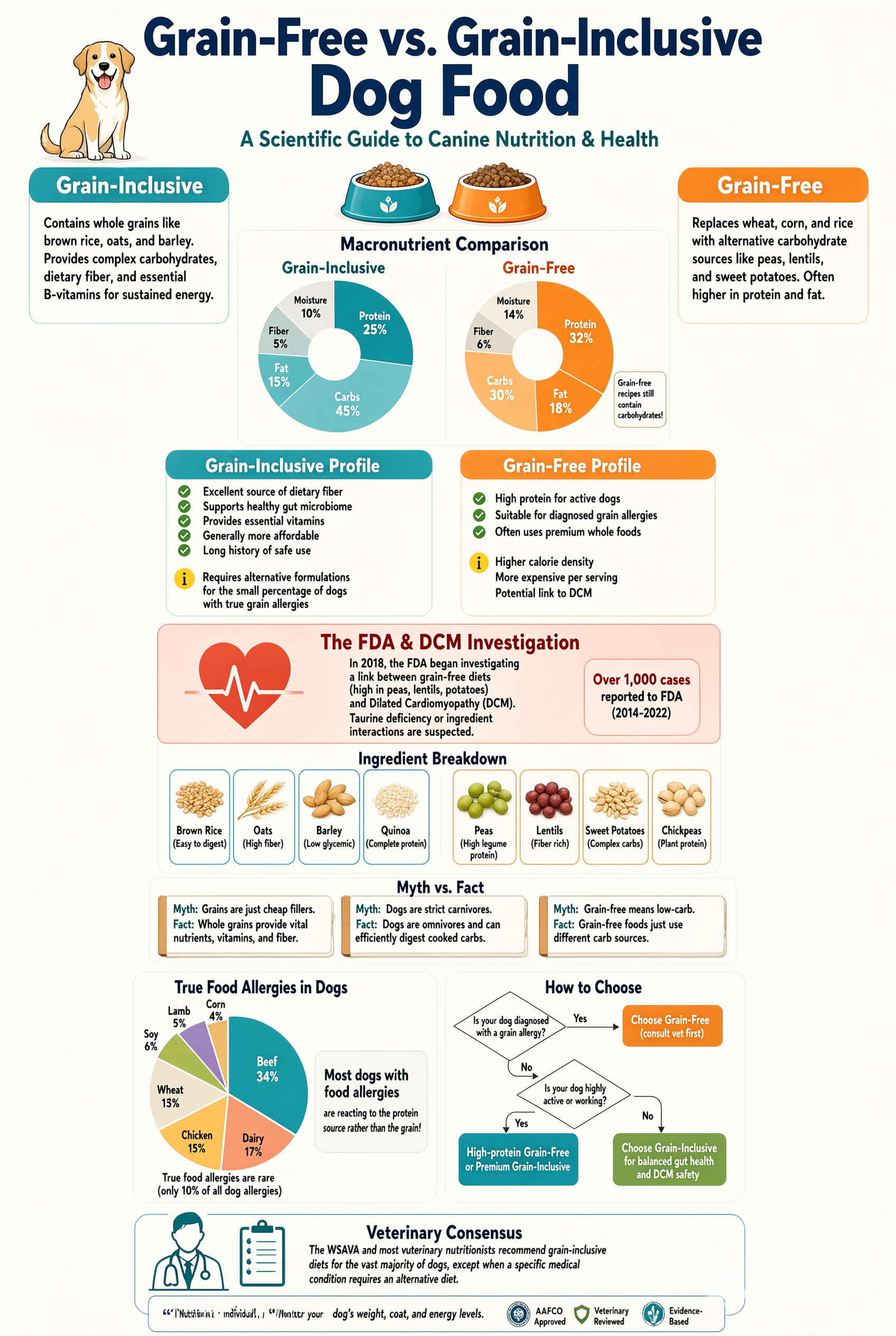
Grain-free is a formulation style, not a guarantee of higher quality or fewer allergies.
Owners searching “popular dog food brands,” “premium dog food brands,” “pet food brands,” and “dog food brands list” usually want a mental map:
Compare dog food brands by life-stage claim, calorie content, feeding guidelines, and whether your dog maintains ideal weight and stool quality — not by bag design.
Puppy formulas support growth. Adult maintenance formulas suit mature dogs. Small-breed kibble is often smaller and calorie-adjusted for higher metabolic rates.
Shih Tzu owners frequently search “Shih Tzu puppy food,” “best puppy food for Shih Tzu,” “dog food for Shih Tzu,” and “how much should a Shih Tzu eat a day.” Practical points:
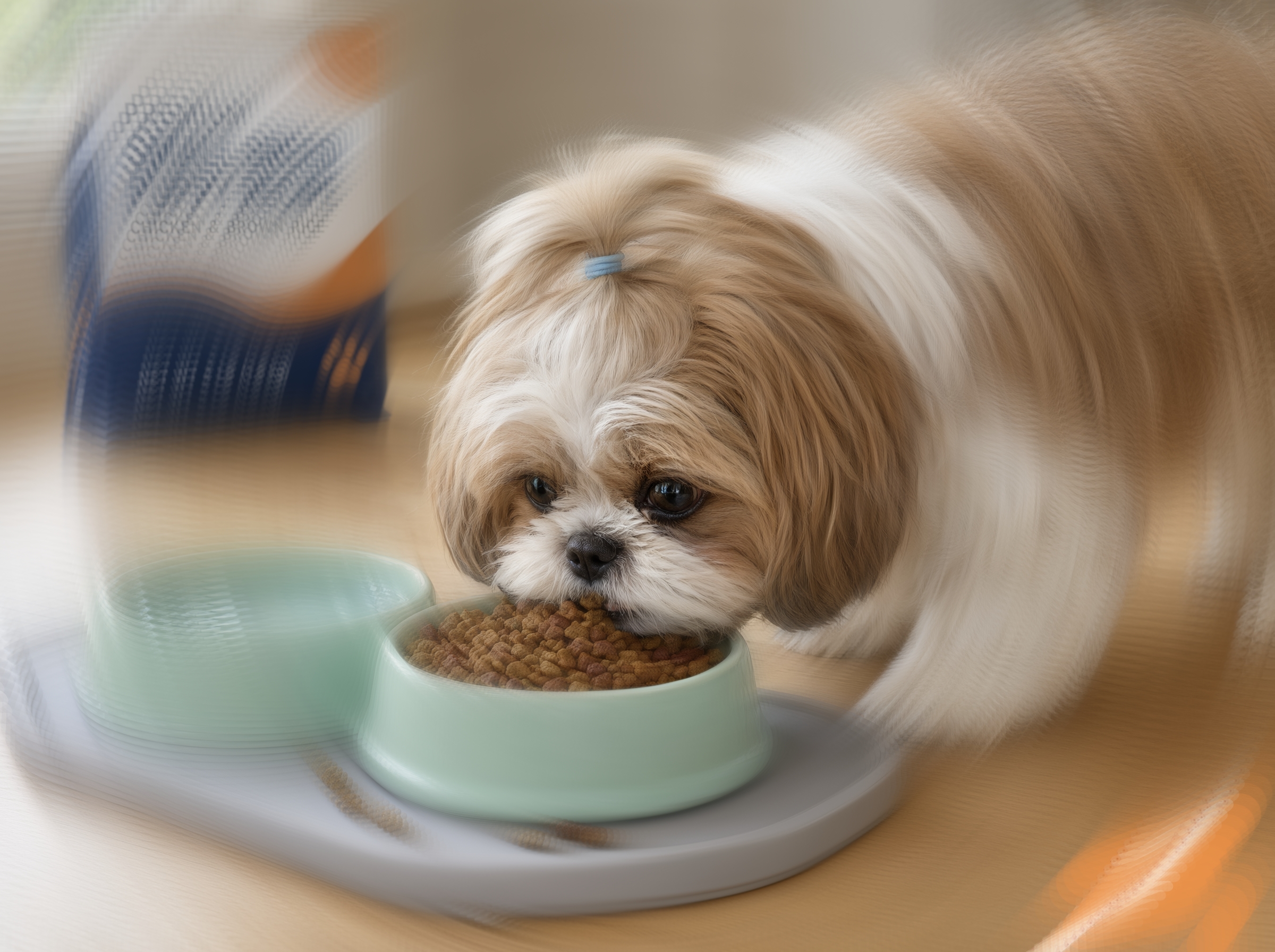
Small-breed puppies need controlled portions and age-appropriate nutrition — not adult “maintenance only” food too early.
Custom Nutrition and Healthcare Consultations can help you prepare questions about weight, GI sensitivity, or life-stage feeding before you change brands.
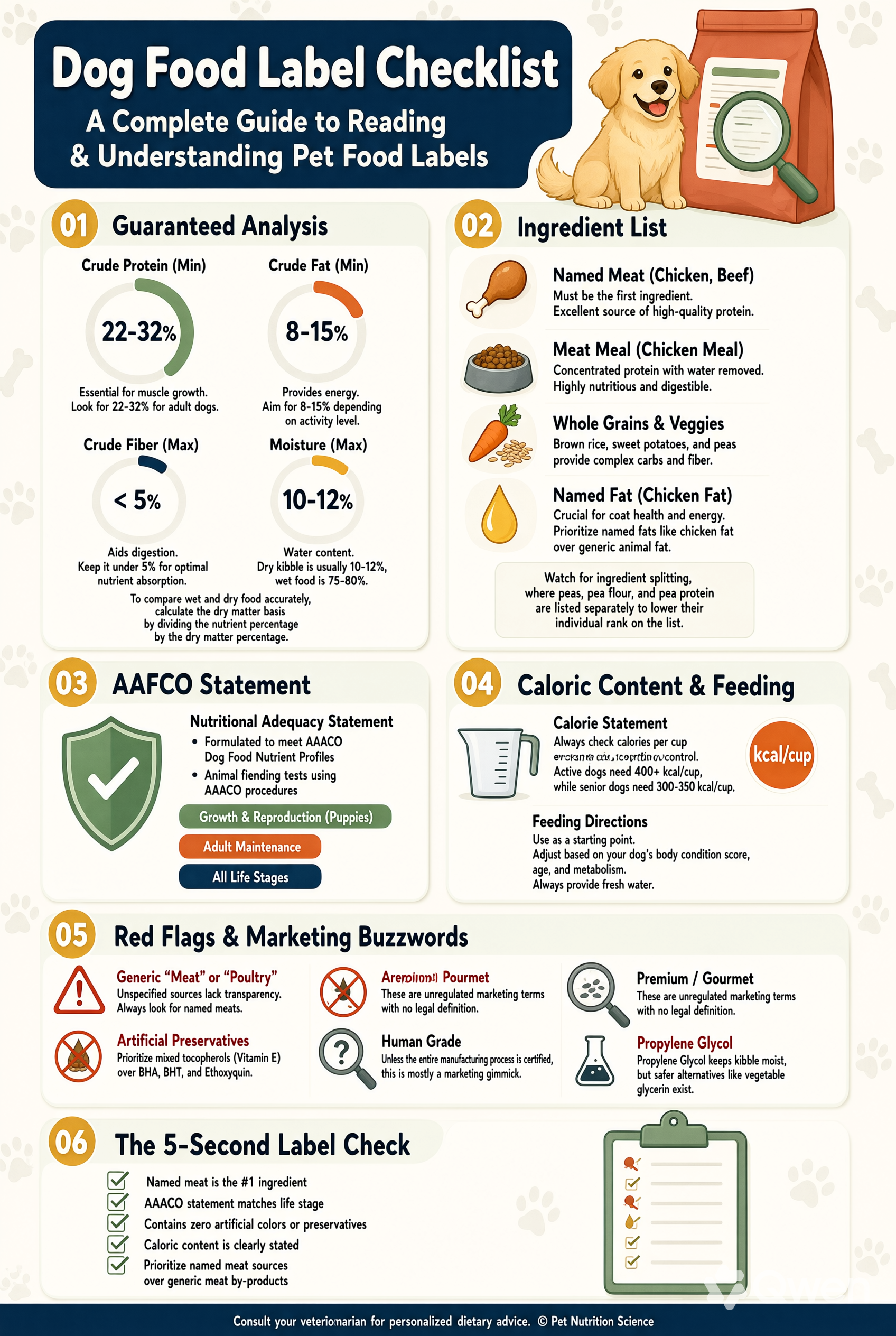
Use this mental checklist every time you compare dog food brands or switch recipes.
Searches for “Orijen dog food,” “origen dog food,” and “dog food orijen” are strong commercial queries. Orijen is widely positioned as a premium, high-protein, often grain-free style diet. That does not make it ideal for every dog.
Treat Orijen as one example within premium dog food brands, not the only answer to “what is the best dog food brand.”
Sudden switches cause diarrhea for many dogs. A typical 7-day mix works for uncomplicated transitions:
Slow down if you see soft stool, vomiting, or refusal to eat.
Contact a veterinarian promptly if your dog shows:
What are the best dog food brands?
There is no single best brand for every dog. Choose complete-and-balanced foods from transparent companies, matched to life stage and body condition, with your veterinarian’s input for medical needs.
Is grain free dog food better?
Not automatically. Some dogs do well on grain-free recipes; others do better on grain-inclusive diets. Quality and fit matter more than the grain-free label.
How do I choose among popular dog food brands?
Compare AAFCO statements, calories, feeding guidelines, and how your dog looks and feels after a proper transition — not social media rankings alone.
What should I feed a Shih Tzu puppy?
A complete small-breed or all-breed puppy food in measured amounts. Ask your vet when to switch to adult food and how many calories per day fit healthy growth.
Is Orijen a good dog food?
It is a premium option many owners use successfully. It is calorie-dense and not ideal for every dog. Measure portions and get individualized advice if your dog has medical issues.
Do premium dog food brands always mean better nutrition?
Premium often means higher price and different ingredient marketing. Verify completeness, calories, and real-world results for your pet.
Choosing among dog food brands is less about finding a viral “number one” and more about matching a complete diet to your dog’s age, size, and health. Weigh grain-free options carefully, measure calories, transition slowly, and involve your veterinarian when symptoms or special needs appear. Save this guide on nextgenpetcare.com and revisit it whenever you change formulas.
Disclaimer: Educational only. Not a product endorsement or a substitute for veterinary nutritional advice.