Water Intoxication in Dogs: Symptoms, Treatment and Prevention
How swallowing too much water during play can lower blood sodium to dangerous levels, the signs to act on, and how to prevent it.
Quick answer: Water intoxication in dogs happens when a dog swallows so much water, usually while swimming, diving for toys or playing with hoses, that blood sodium drops dangerously (hyponatremia). Signs include vomiting, bloating, wobbliness, glazed eyes, drooling and seizures. It can be fatal within hours, so take any dog with these signs after water play to a vet immediately.
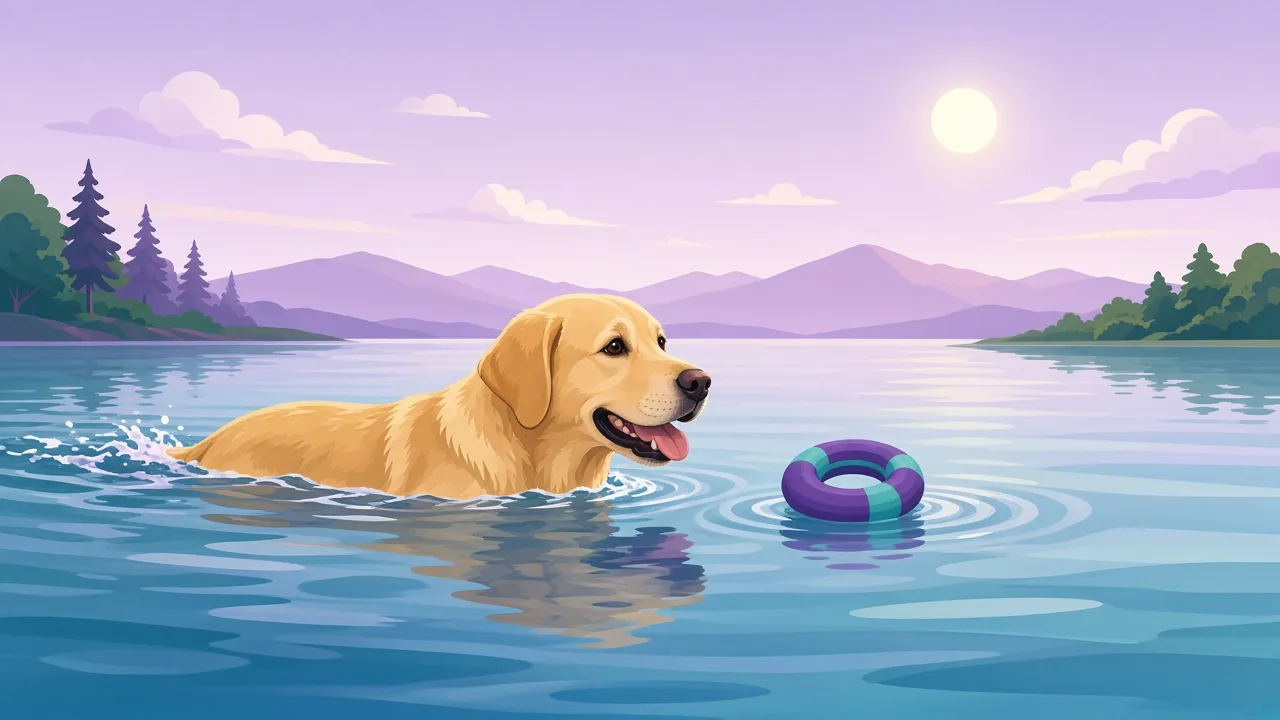
Most owners worry about dehydration in summer, but too much water can be dangerous as well. Water intoxication, also called water toxicity or hyponatremia, is uncommon. When it does happen, it is a true emergency. It is most often seen in energetic dogs that spend a long time playing in water.
This guide explains what water intoxication is, which dogs are at risk, the symptoms to watch for, what to do, how vets treat it, and simple ways to keep water play safe.
Sodium helps control the balance of fluid inside and outside the body’s cells. When a dog swallows a lot of water in a short time, the kidneys can’t remove it fast enough. Blood sodium drops, water moves into cells and they swell. Swelling in the brain causes the neurological signs that make this condition so dangerous (PDSA).
How water intoxication happens
How water intoxication develops.
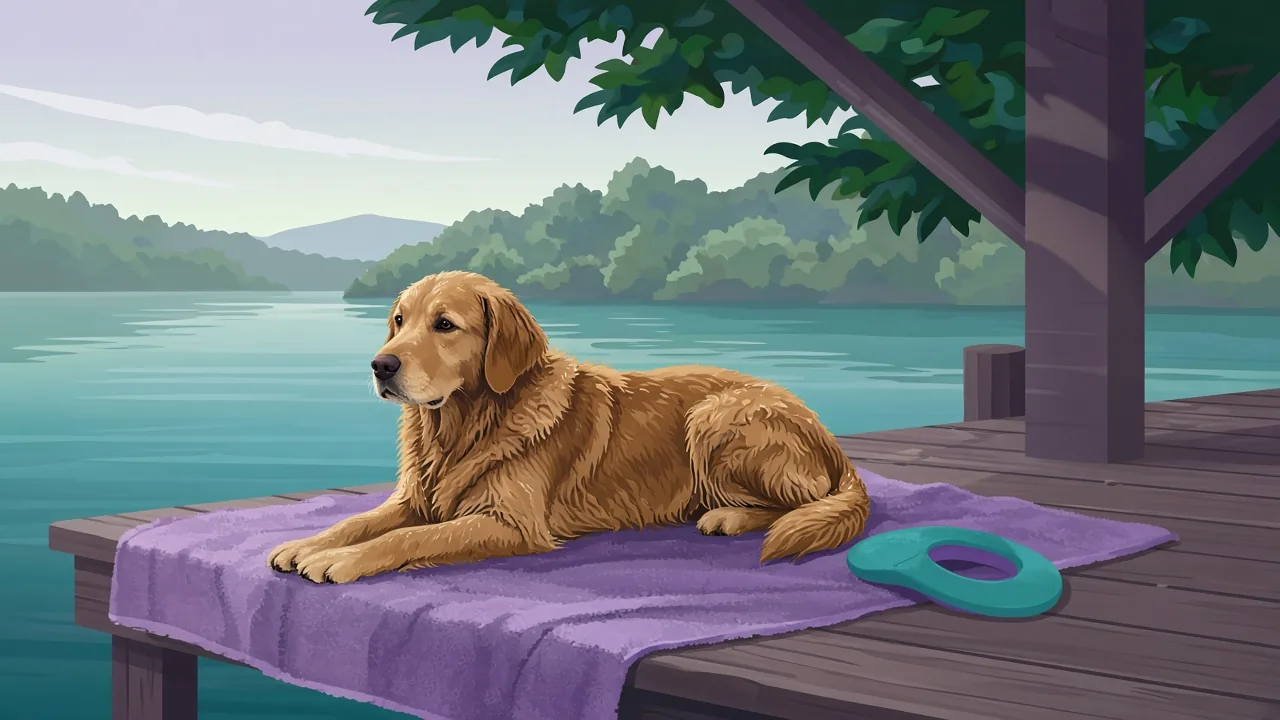
Drinking salt water is a different problem. It causes high sodium (salt poisoning), which is also dangerous and also needs a vet.
There is no safe number to give, because the risk depends on the dog’s size, how fast the water is swallowed, and how long the activity lasts. A small dog can be affected by a much smaller volume than a large dog. Lean dogs with little body fat seem to be more vulnerable. Instead of counting, watch for the warning signs and enforce regular breaks.
According to ASPCA Poison Control, early and milder cases may show nausea, vomiting, lethargy and a swollen belly. Severe cases can progress to wobbliness, weakness, seizures, coma, low body temperature and a slow heart rate.
Water intoxication symptoms by stage
| Stage | Signs | Action |
|---|---|---|
| Early | Drooling, nausea, vomiting, bloated belly, lethargy | Stop play, call a vet now |
| Worsening | Wobbly walking, glazed eyes, dilated pupils, pale gums | Emergency vet |
| Severe | Collapse, breathing trouble, seizures, coma | Go immediately |
Symptoms by stage and what to do.
| Stage | Signs | Action |
|---|---|---|
| Early | Restlessness, drooling, nausea, vomiting, bloated belly, lethargy | Stop water play and call a vet now |
| Worsening | Wobbly walking, glazed eyes, dilated pupils, pale gums, confusion | Go to an emergency vet |
| Severe | Collapse, difficulty breathing, seizures, coma | Emergency: go immediately |
Signs can appear during water play or shortly after. Don’t assume a tired, wobbly dog is “just worn out” after a long swim.
There is no safe home treatment for water intoxication. See our guide to when to go to the emergency vet, and keep our pet first aid guide handy.
Treatment aims to raise blood sodium slowly and reduce brain swelling. ASPCApro explains that sodium is usually corrected at no more than about 0.5–1 mEq/L per hour, because correcting too fast can cause a serious brain injury called osmotic demyelination. Depending on severity, treatment may include:
With early treatment, mildly affected dogs often recover within a day or two of hospital care. Severe cases may need several days of intensive care, and some dogs do not survive despite treatment. Vets may monitor for complications for a few days, because signs of osmotic demyelination can appear 3–4 days after sodium is corrected.
Safe water play checklist
During play
After play
Water play safety checklist.
Water intoxication is acute and linked to water play. If your dog is drinking a lot every day at home, that is a different problem, often a sign of illness such as diabetes, kidney disease or Cushing’s disease. Read our guide to a dog drinking a lot of water and the signs of diabetes in dogs.
Our Healthcare Consultations pathway helps you organise seasonal safety questions for active dogs.
With fast treatment, mild cases often recover within a day or two. Severe cases may need several days of intensive care, and vets may monitor for complications for 3 to 4 days after sodium is corrected.
It must be treated by a vet, who will raise blood sodium slowly with carefully chosen fluids and medicines while monitoring electrolytes. Do not give salt or try home treatment, as correcting sodium too fast can cause brain injury.
There is no set amount. Risk depends on size, how quickly water is swallowed and how long play lasts. Small, lean dogs are affected by smaller volumes, so watch for signs and take frequent breaks.
Yes, many dogs survive with prompt veterinary treatment. The outlook is worse once seizures or coma develop, which is why early action matters.
Restlessness, drooling, nausea, vomiting, a bloated belly and lethargy during or after water play are early signs. Wobbliness, glazed eyes and seizures are more severe.
No. Water intoxication causes low blood sodium, while drinking salt water causes high blood sodium. Both are dangerous and need a vet.