Senior Dog Care Guide: Age, Signs of Aging, Food & Health Tips
When dogs become seniors, how dog years work, aging signs, nutrition, and practical care for older dogs in US homes.
When dogs become seniors, how dog years work, aging signs, nutrition, and practical care for older dogs in US homes.
A senior dog is not defined by a single birthday. Size, breed, and health shape when aging shows up — and what care helps most. US owners search “what age are dogs considered senior,” “signs of old age in dogs,” “senior dog food,” and “years for dogs” when they want clear answers, not vague reassurance.
This guide covers when dogs become seniors, how dog years really work, common aging signs (including more sleep and nighttime restlessness), nutrition choices, and why adopting senior dogs can be a smart, rewarding path.
Educational content only. Individual dogs age differently. Use this as a conversation starter with your veterinarian — not a substitute for exams or diagnostics.
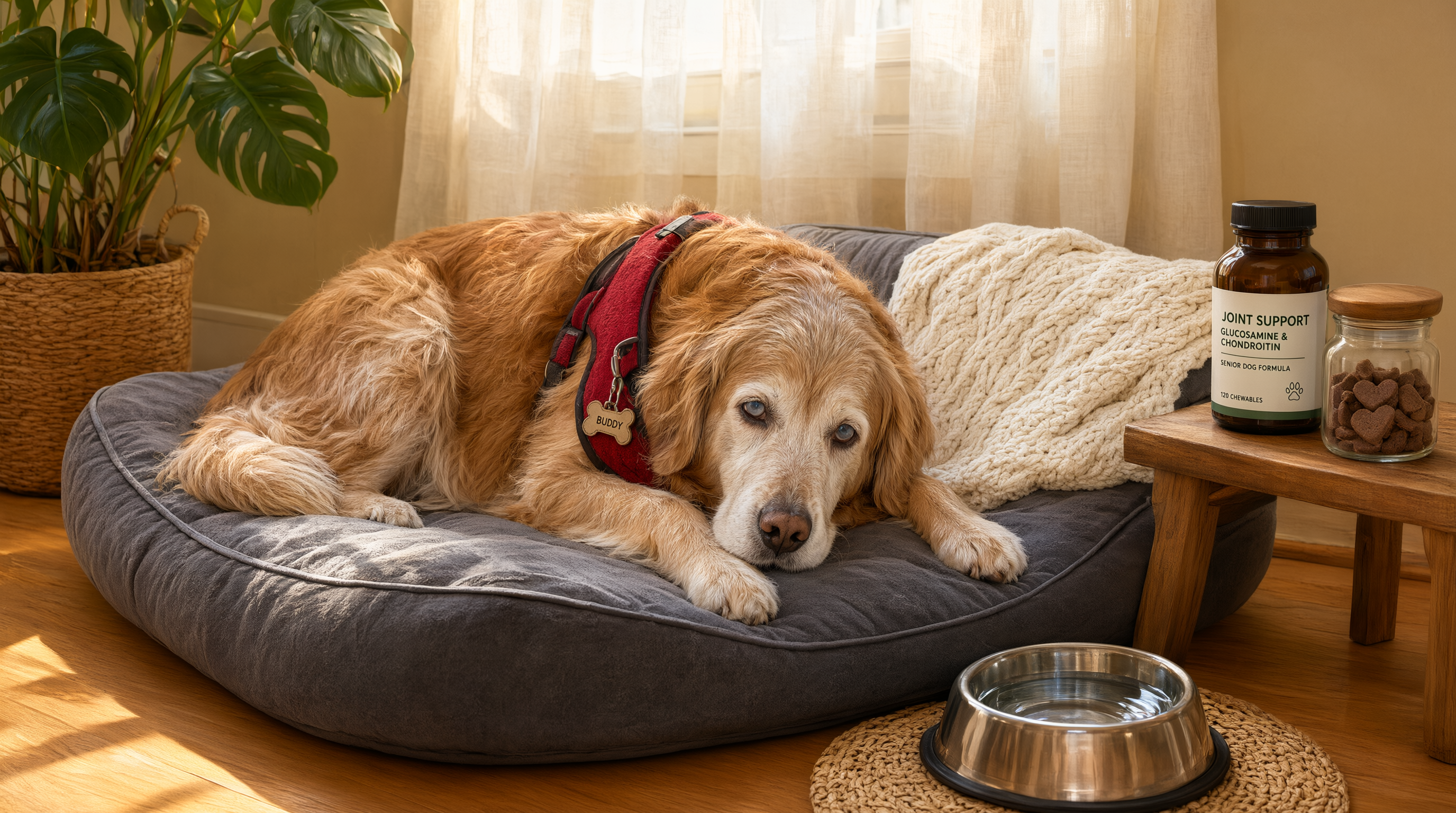
Senior care is proactive: earlier checkups, adjusted exercise, and nutrition matched to body condition.
According to Dr. Sarah Miller, DVM, there is no universal switch that flips at age seven. A useful rule of thumb used in many US clinics:
| Dog size | Often considered senior around |
|---|---|
| Giant breeds (Great Dane, Mastiff types) | About 5–6 years |
| Large breeds | About 6–7 years |
| Medium breeds | About 7–8 years |
| Small breeds | About 8–10 years |
Searches like “is a 7 year old dog a senior,” “is an 8 year old dog a senior,” and “when are small dogs considered seniors” all point to the same truth: chronological age is only one signal. Your vet may recommend senior wellness screening earlier for large or giant dogs.
“Years for dogs” and “dog years” remain high-volume searches. The old “one human year equals seven dog years” idea is a rough folk rule — not a precise medical formula. Dogs mature faster in the first two years, then aging pace depends heavily on size.
Use online calculators and charts as conversation tools, not diagnoses. Focus on physical exams, bloodwork when recommended, and quality of life.
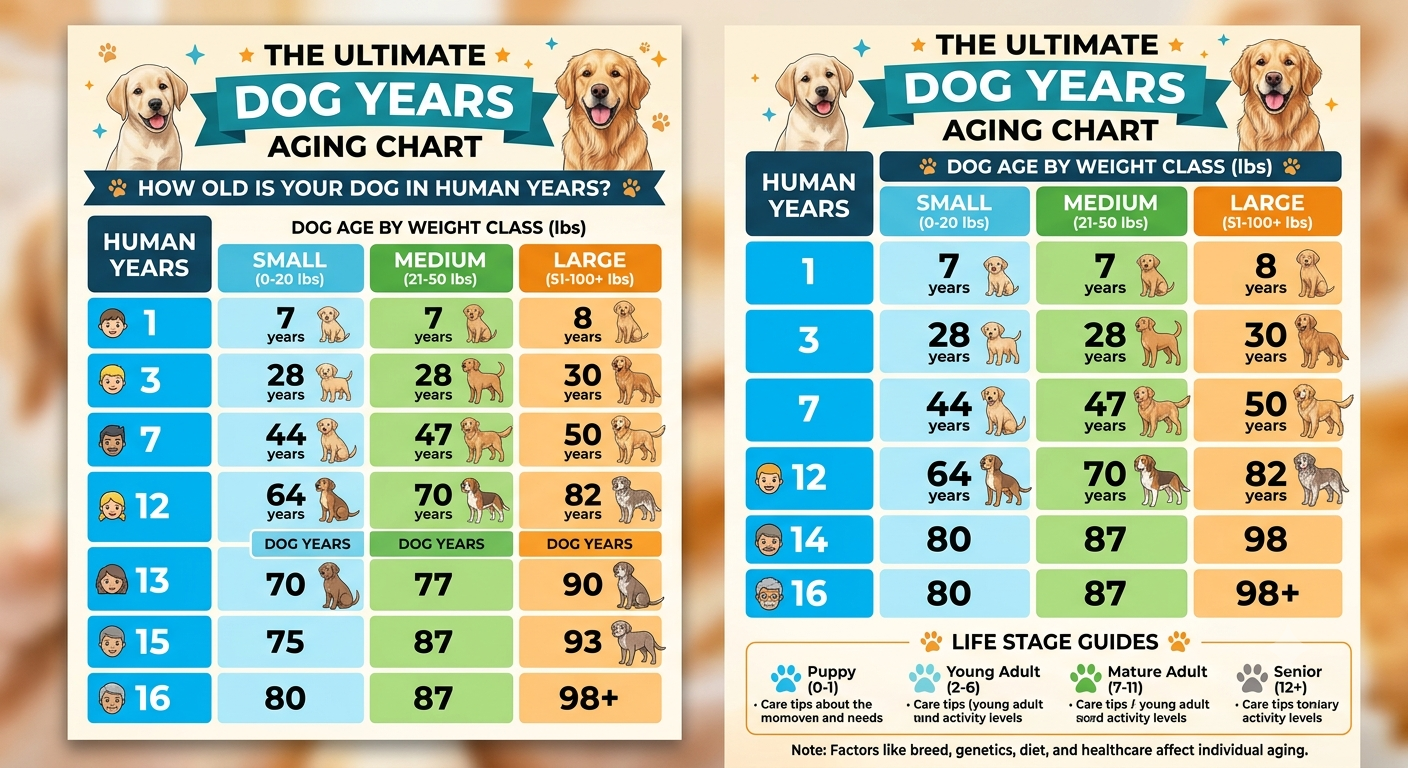
Size matters more than the classic 7:1 myth. Giant breeds enter the senior window earlier than toy breeds.
Common signs of aging in dogs and “old dog symptoms” owners notice:
“Signs of dog aging” and “signs of old dog” searches often mix normal aging with disease. Sudden changes deserve a prompt vet visit even in older dogs.
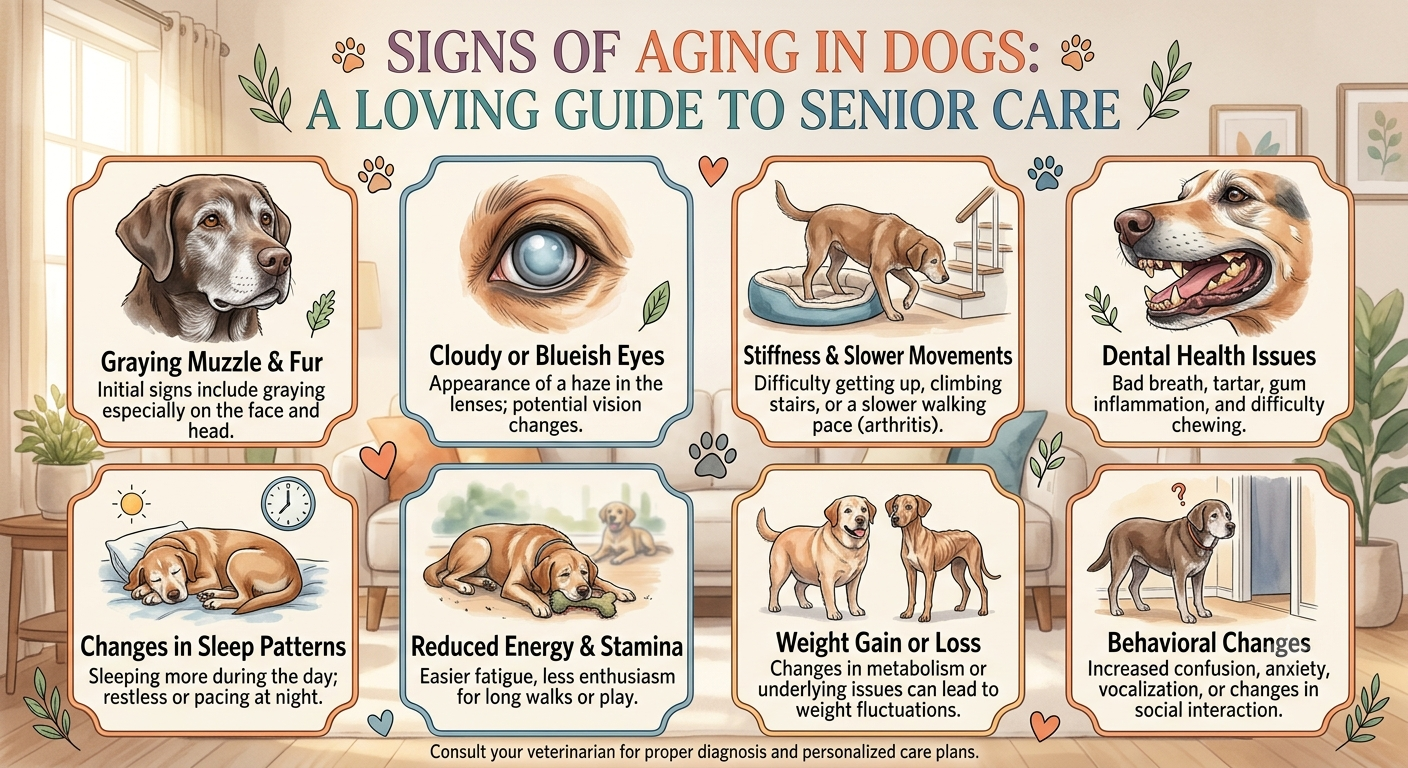
Stiffness, sleep shifts, and sensory decline are common — but pain and illness can look the same. Do not assume “just old.”
Many owners ask why senior dogs sleep more and why an older dog cries or whines at night. Extra rest can be normal. New nighttime vocalizing, pacing, or restlessness may signal pain, cognitive dysfunction, anxiety, vision/hearing loss, or a medical issue such as urinary discomfort.
Healthcare Consultations can help you organize a symptom timeline and questions for your local veterinarian.
Senior dog food is one of the strongest commercial searches in this cluster (high monthly volume). Senior formulas often adjust calories, protein, joint-support nutrients, or kibble texture — but “senior” on the bag is not regulated the same way as a therapeutic prescription diet.
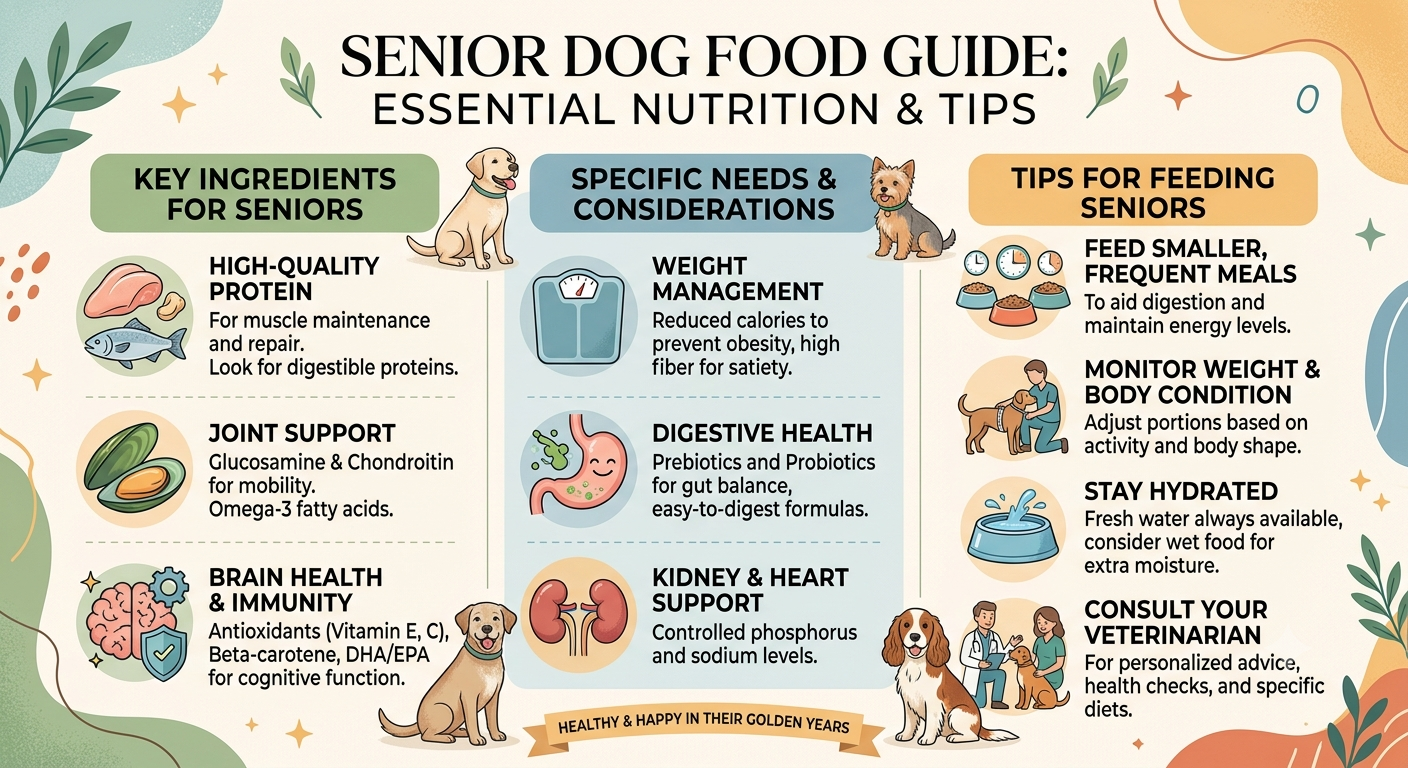
Senior food is a tool. Ideal weight, lab work, and dental comfort still drive the real feeding plan.
Owners search “senior dog health problems,” “old dog problems,” and related terms for good reason. Frequent areas of concern include:
Twice-yearly senior exams with targeted bloodwork, when recommended, catch many issues earlier than waiting for crisis symptoms.
“Adopting senior dogs” and senior rescue searches show strong interest in older pets. Benefits often include known adult size and temperament, lower energy than puppies, and deep bonding. Plan for possible medical costs, a quieter home routine, and a veterinary visit soon after adoption.
Senior-specific rescues and sanctuaries exist across the US; local shelters also list older dogs who need homes. Ask for full medical records before you commit.
Do not wait if your senior dog shows:
What age is a dog considered senior?
Often 5–6 for giant breeds, around 7 for large dogs, and later for small breeds. Your veterinarian may adjust based on health.
How do dog years work?
Dogs age faster early in life; the simple “multiply by seven” rule is only a rough estimate. Size changes the curve.
Is it normal for senior dogs to sleep a lot?
Many do rest more. A sudden jump in sleep, or sleep plus other symptoms, needs a check-up.
Why is my older dog crying at night?
Pain, cognitive change, anxiety, sensory loss, or medical issues can all play a role. Track patterns and see your vet.
Do I need senior dog food?
Not always by label alone. Choose a complete diet that maintains ideal weight and fits any diagnosed conditions.
Is adopting a senior dog a good idea?
Yes for many households — if you can budget for potential medical care and provide a calm, consistent routine.
Senior dogs thrive when owners treat aging as a stage of care, not a reason to ignore new symptoms. Know when your dog’s size makes them “senior,” watch for real changes in mobility and behavior, feed for body condition, and keep veterinary visits proactive. More practical guides live at nextgenpetcare.com.
Disclaimer: Educational only. Not a substitute for veterinary diagnosis or treatment.