Dog Adoption Stories: Rescue Success, What to Expect & How to Prepare
Heartwarming rescue moments — plus the practical steps that help a newly adopted dog thrive in a US home.
Heartwarming rescue moments — plus the practical steps that help a newly adopted dog thrive in a US home.
Dog adoption stories go viral for a reason. A shelter dog who chooses a visitor. A 400-mile journey to a permanent home. A foster who becomes forever. Behind every heartwarming clip is a real process: applications, meet-and-greets, veterinary screening, and the first weeks of adjustment.
US searchers look up “boomer dog adoption story,” “dogs choose humans adoption,” “rescue dog story,” “heartwarming animal rescue stories,” and “pet rescue stories” when they want both emotion and practical next steps. This guide covers the stories people share — and the preparation that makes a successful adoption last.
Educational content only. Adoption policies vary by shelter and rescue. Always follow local organization rules and veterinary advice for your new dog.

The best adoption stories end with a healthy dog and a prepared household — not only a viral moment.
According to Dr. Sarah Miller, DVM, people share rescue success stories because they show transformation: fear to trust, street to sofa, temporary foster to permanent family. Viral posts about PetSmart adoption events, shelter dogs named Bridget or Boomer, or a dog who “picked” someone at the kennel door all tap the same hope — that connection is possible.
Those stories also set expectations. Real adoptions include paperwork, possible medical catch-up, and a transition period that is rarely as smooth as a 30-second video.
| Theme | What people search | Practical takeaway |
|---|---|---|
| Dog chooses human | dogs choose humans adoption, dog picks you adoption | Bonding is real — still complete the application and trial period the shelter requires |
| Long journey home | 400 mile dog adoption journey, transport rescues | Ask about transport stress, rest stops, and a quiet first week |
| Shelter second chance | bridget shelter dog story, abandoned dog adopted | Many dogs need time to decompress after kennel life |
| Foster to forever | eugene the dog finds permanent home with his foster family | Fostering is a proven path; clarify medical costs and return policies up front |
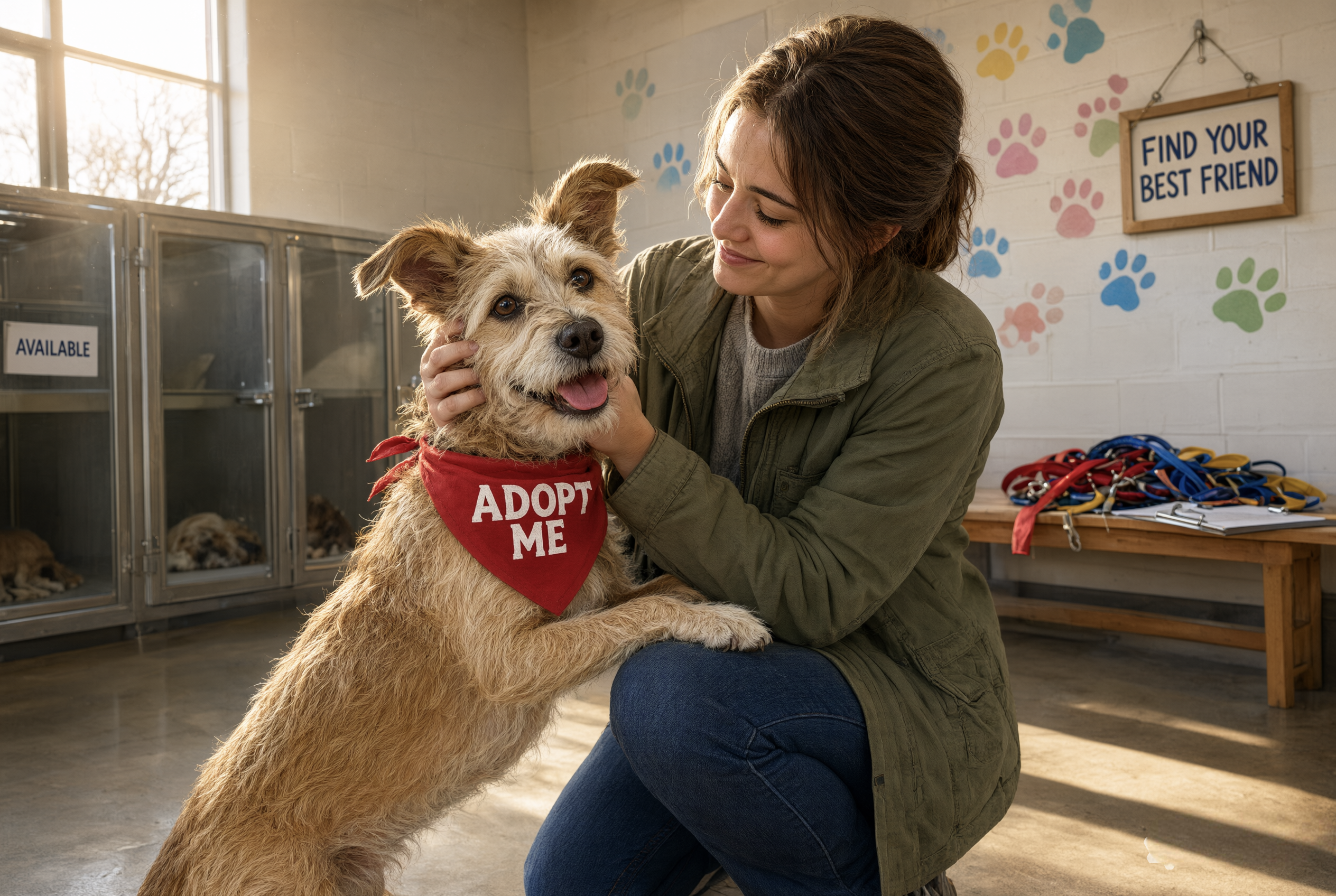
A dog who “chooses” you is wonderful. A planned homecoming is what keeps that bond safe.
Most municipal shelters, private rescues, and retail adoption partners (including some PetSmart and Petco partner events) follow a similar path:
Ask for full medical history, behavior notes, and whether the dog is heartworm tested, flea/tick protected, and up to date on core vaccines.
Trainers and shelter staff often describe the “3-3-3” idea: roughly three days to decompress, three weeks to learn the routine, three months to feel fully at home. Your timeline may differ, but the principle holds — go slow.
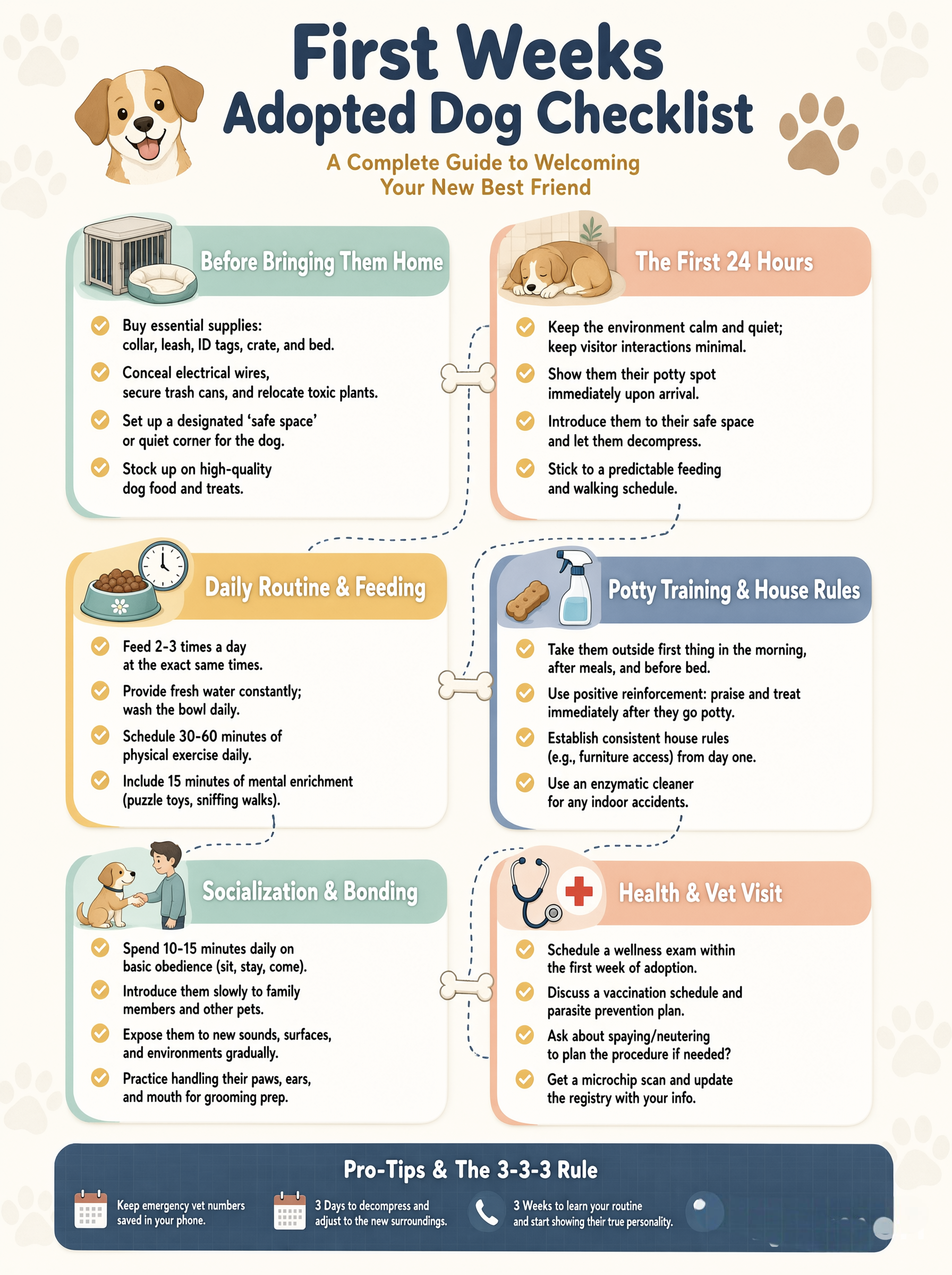
A simple first-month checklist beats improvising when the dog is already overwhelmed.
Healthcare Consultations can help you plan vaccine catch-up questions, parasite prevention, and early behavior concerns with a clear list for your local vet.
Dr. Miller recommends a veterinary visit within the first few days of adoption when possible:
Heartwarming stories sometimes involve dogs adopted with known medical needs (including heartworm-positive dogs under treatment). Those cases can succeed with a clear treatment plan and budget — get details in writing before you commit.
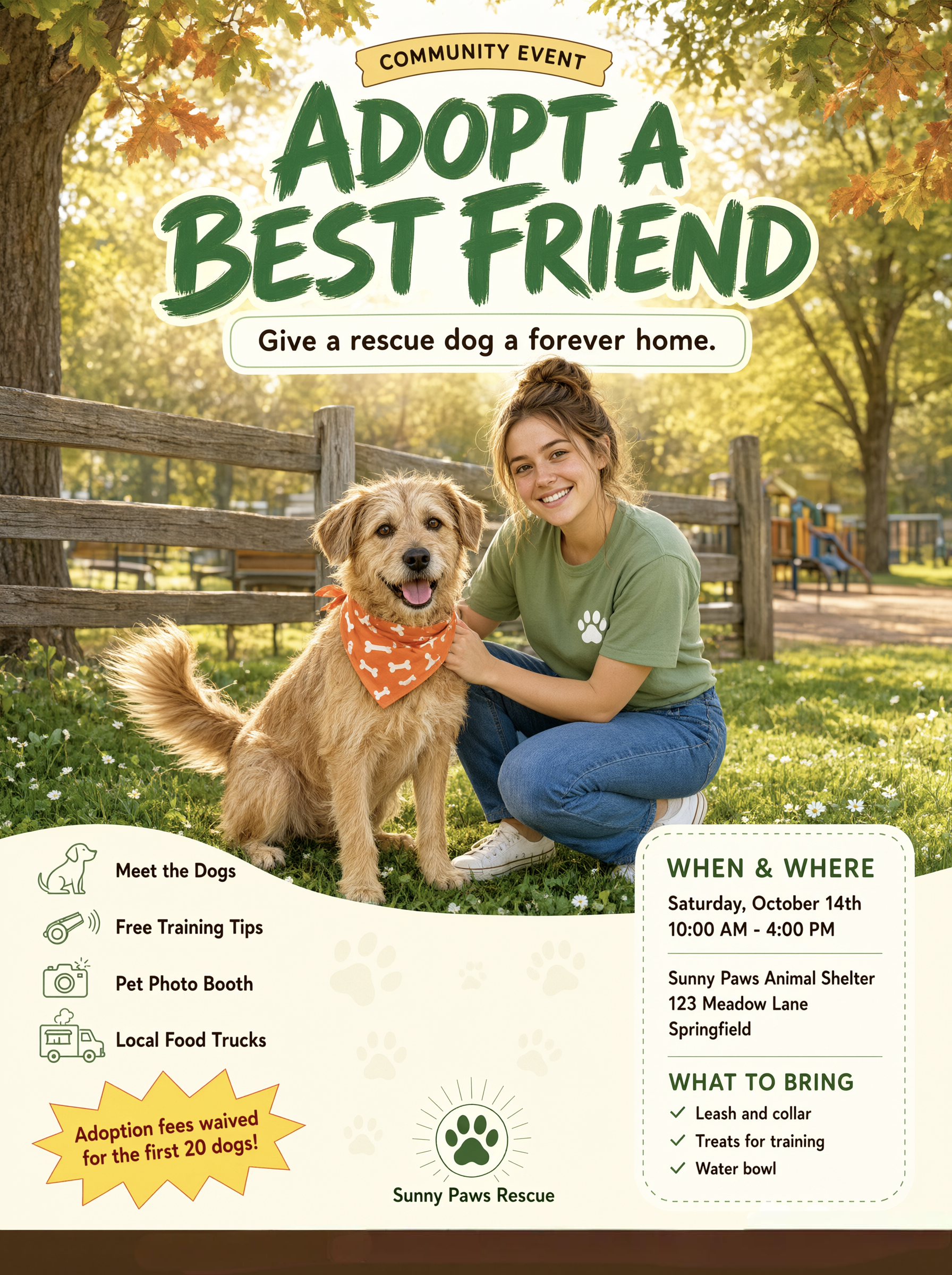
Adoption day is smoother when the crate, leash, ID tag, and quiet room are ready before the dog arrives.
Not every adoption is instant harmony. Separation anxiety, house-training setbacks, and resource guarding appear in real rescue dog stories as often as happy endings. Early training support and veterinary checks for pain or illness prevent many returns.
Seek professional help quickly if you see:
Contact the adopting organization — ethical groups prefer support or a planned return over a dog being rehomed unsafely.
Where can I read real dog adoption stories?
Shelters, rescues, and major adoption partners often publish success stories. Use them for inspiration, then verify current process details with the organization you choose.
What does “the dog chose me” really mean?
Some dogs approach visitors with clear preference. That bond is meaningful — it does not replace screening, introductions, and a trial period.
How long does it take a rescue dog to adjust?
Many improve over weeks to months. The first days are for decompression; true personality often shows after routines feel safe.
Should I adopt from a shelter or a breed-specific rescue?
Both can be excellent. Match the dog’s energy and needs to your lifestyle, and review medical and behavior notes carefully either way.
What if I fall in love with a dog who has medical needs?
Ask for full treatment costs, prognosis, and whether the fee includes any ongoing care. A clear plan turns a hard story into a manageable one.
Can I meet a dog more than once before adopting?
Often yes — ask. Multiple visits help you and the dog decide with less pressure.
Heartwarming dog adoption stories remind us why rescue matters. Lasting success depends on preparation: honest applications, veterinary follow-up, patient first weeks, and help when behavior or health needs exceed what you expected. If you are ready to write your own rescue dog story, start with a local shelter or rescue and a plan for the month after you bring them home. More practical guides are always available at nextgenpetcare.com.
Disclaimer: Educational only. Not a substitute for shelter policies or veterinary care.