Dog Recall Training: How to Teach Your Dog to Come When Called

A reward-based, step-by-step plan to build a recall that works around distractions, plus games and fixes for dogs that ignore you.

Quick answer: To train a reliable dog recall, choose one new cue word, such as “Come” or a whistle, and make it the best thing your dog ever hears: say it once, then reward with a high-value treat or game every time your dog arrives. Start indoors with no distractions. Then move to the garden, then to a long line (5–10 m) in quiet open spaces, and add distractions slowly. Never call your dog to punish them or to end the fun every time. Most dogs learn the basics in a few weeks, but a recall that holds up around distractions takes months of practice.

Medically reviewed by

Vet. Dr. Yawar Abbas, DVM, MPhil

PVMC Reg. 15019 · DVM (UVAS Lahore) · M.Phil Epidemiology & Public Health (UAF) · NextGen PetCare

Last reviewed:
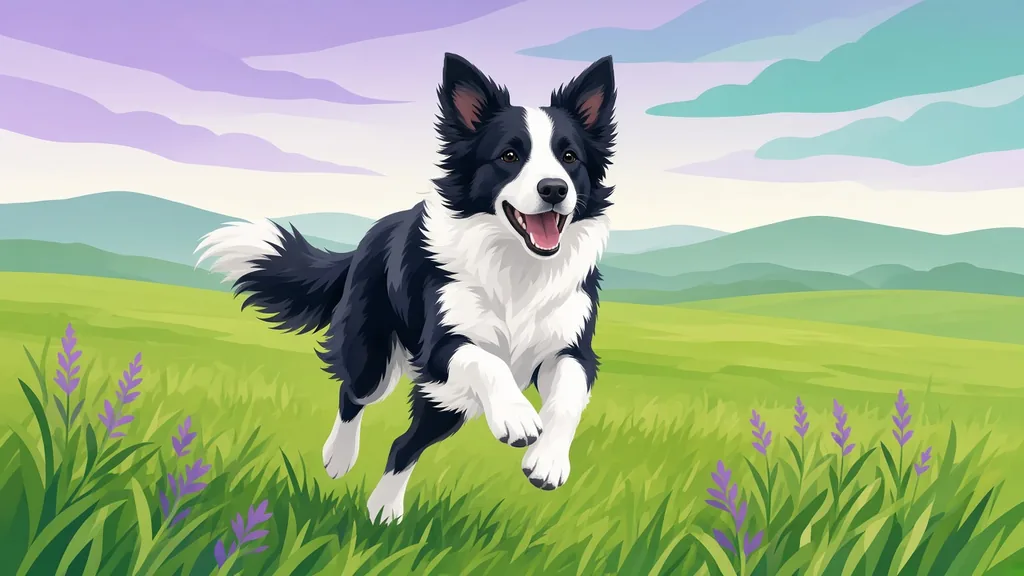
Border collie running happily across an open green field
A great recall gives your dog safe off-lead freedom.

A dog that comes back when called can enjoy off-lead freedom safely. Recall can also save your dog’s life near a road, wildlife or another dog. It’s also one of the hardest skills to perfect, because the world is full of things more interesting than you.

This step-by-step plan uses reward-based methods recommended by the Dogs Trust, the RSPCA and the AKC. It also covers what to do when your dog ignores you, plus the games that make recall stick.

Key takeaways

  1. Use a fresh cue word your dog has never learned to ignore, and say it only once.
  2. Pay well. Use better rewards for harder situations, such as cooked chicken, cheese or a favourite toy.
  3. Build distance and distraction gradually. Use a long line until your dog succeeds most of the time.
  4. Never punish a dog that comes back, however long it took.
  5. Practise little and often throughout life. Recall fades if you stop rewarding it.

Why do dogs ignore recall?

  • The cue has been “poisoned”. If “Come!” has often meant the end of play, a bath or a telling-off, your dog learns to avoid it.
  • The cue has been repeated too often. “Come, come, COME!” teaches your dog that the first few calls don’t matter.
  • The reward isn’t worth it. A dry biscuit can’t compete with a squirrel.
  • Training jumped ahead too fast. A dog that recalls in the kitchen hasn’t yet learned to recall in a park full of dogs.
  • Adolescence. Many dogs between about 6 and 18 months seem to “forget” their recall. Go back a stage and keep practising.
  • Breed and instinct. Scent hounds, sighthounds and many terriers are bred to chase and track. They can learn good recall but may need a long line in high-risk places for life.

What do you need for recall training?

ToolWhy it helpsTip
High-value treatsMakes coming back worth more than the distractionSmall, soft and smelly. Save the best ones for recall only
Treat pouchLets you reward instantlyWear it on every walk
Long line (5–10 m)Gives freedom while preventing failuresClip it to a harness, never a collar. Wear gloves and let it trail on the ground
Whistle (optional)Sounds the same whoever uses it and carries over distanceUse one pattern, such as three short pips, only for recall
Favourite toyGreat reward for play-driven dogsA tug toy or ball that only comes out on walks

How to teach your dog to come when called: step by step

  1. Charge the cue. In a quiet room, say your new cue once in a happy voice, then immediately give a great treat. Repeat 10 times a session, a few sessions a day, for several days, even when your dog is already next to you.
  2. Add a little distance. When your dog is a few steps away and not busy, say the cue once. Then move backwards or crouch to encourage them. Reward and praise warmly when they reach you.
  3. Add collar touch. As you reward, gently hold the collar or harness for a second. This stops “drive-by” recalls and makes it easy to clip the lead on.
  4. Move to the garden, then other quiet, safe areas. Start with short distances again each time the place changes.
  5. Use a long line in open spaces. Let your dog explore, call when they are only mildly distracted, and reward big. If they don’t come, gently guide them in with the line, without pulling or scolding, and try an easier situation next time.
  6. Add distractions slowly. Practise near toys, then people at a distance, then other dogs at a distance. Get closer only when your dog succeeds 8 or 9 times out of 10.
  7. Go off-lead only in safe, enclosed or quiet areas when your dog reliably comes back on the long line. Keep calling for rewards on every walk, then letting your dog go back to play.
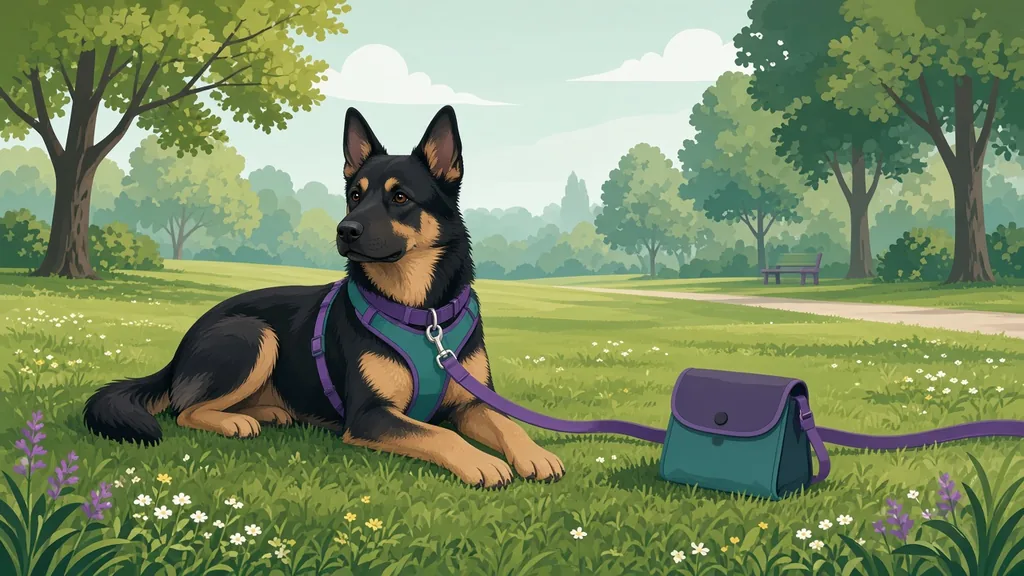
Dog on a long training line resting on grass with a treat pouch nearby
A long line lets your dog explore while you practise recall safely.

Recall training timeline: what to expect

StageTypical timeMove on when
Charging the cue indoors3–7 daysYour dog turns instantly when they hear the cue
House and garden1–2 weeksReliable from another room or across the garden
Long line in quiet places2–6 weeks8–9 out of 10 successes with mild distractions
Long line with distractions1–3 monthsComes away from dogs, people and smells at a distance
Off-lead in safe areasOngoingKeep practising and rewarding for life

Puppies can start recall from the day they come home. Our puppy care guide and dog training guide cover the other basics.

Recall games that make coming back fun

  • Ping-pong recall: two people take turns calling the dog between them and rewarding.
  • Hide and seek: hide behind a door or tree, call once, and celebrate when your dog finds you.
  • Run away: call, then jog backwards. Most dogs love to chase.
  • The “gotcha” game: touch the collar, treat, and release so that being caught is never bad news.
  • Treat scatter: when your dog arrives, throw a handful of treats on the ground for a sniffy reward.

What should you do if your dog ignores recall?

  • Don’t keep repeating the cue. Make a different, exciting noise, crouch down or run away from your dog to get attention.
  • Don’t chase your dog. Most dogs think it’s a game and run further.
  • When they do come, reward them even if it took ages. Punishing a late recall teaches your dog that coming back is bad.
  • Go back to the long line and an easier setting. Lower the distraction until success is high.
  • If your dog chases livestock, wildlife or traffic, keep them on a long line in risky areas and get help from a qualified reward-based trainer. Our Behavioral Coaching team can help.
  • Avoid shock or spray collars. Studies and the major veterinary behaviour bodies link them to stress and fear without better results than reward-based training.

Which breeds have the best recall?

Breeds developed to work closely with people, such as Border Collies, Labradors, Golden Retrievers, Poodles and German Shepherds, often find recall easiest. Beagles, Bloodhounds, Huskies, Greyhounds and many terriers tend to follow their nose or eyes and need extra practice and management. Every dog is an individual, and training matters more than breed.

When should you see a vet or behaviourist?

A dog that suddenly stops coming when called or seems slower to respond may have a health issue. Hearing loss, poor eyesight, joint pain or, in older dogs, cognitive decline can all affect recall. Book a vet check if the change is sudden. A dog that runs off out of fear, for example from fireworks or traffic, may need a fear-focused plan from a vet behaviourist. Our leash reactivity guide may help if your dog reacts to other dogs.

Want a clearer recall practice plan?

Our Behavioral Coaching pathway supports positive, stepwise training for come when called and real-world distractions.

Frequently asked questions

How long does it take to train a dog to recall?

Most dogs learn the basics within a few weeks of short daily sessions. A reliable recall around strong distractions usually takes several months and needs practice throughout life.

What is the best recall word for dogs?

Any short, distinct word you don’t use for anything else, such as “Here” or “Come”, or a whistle. If your dog already ignores “Come”, start fresh with a new cue.

How do I train recall with a long line?

Clip a 5–10 m line to a harness, let it trail, and call your dog when they’re only mildly distracted. Reward generously. If they don’t come, gently guide them in without scolding and make the next attempt easier.

What should I do if my dog ignores recall?

Don’t repeat the cue or chase. Get attention with an exciting noise, crouch or run the other way, reward when they arrive, and go back to an easier training level with a long line.

Which dog breeds have the best recall?

Working and gundog breeds such as Border Collies, Labradors, Golden Retrievers and Poodles often find recall easiest. Hounds, Huskies and terriers can learn it but usually need more practice and management.

Should I punish my dog for not coming back?

No. Punishing a dog when they come back, even late, teaches them that returning is unpleasant and makes recall worse.

Can you train an older dog to recall?

Yes. Dogs of any age can learn a new recall cue with reward-based training. Older dogs may need shorter sessions and a vet check if hearing or joint problems could be affecting them.

Sources

Educational content only. This page does not diagnose disease or replace care from a licensed veterinarian. Seek in-person help for emergencies or worsening symptoms.
NextGen PetCareUsually replies on WhatsApp
Hi 👋 Tell us what’s happening with your pet and we’ll help you find the right next step.